Cheapest Day to Book Flights and Hotels: 2026 Savings Tips
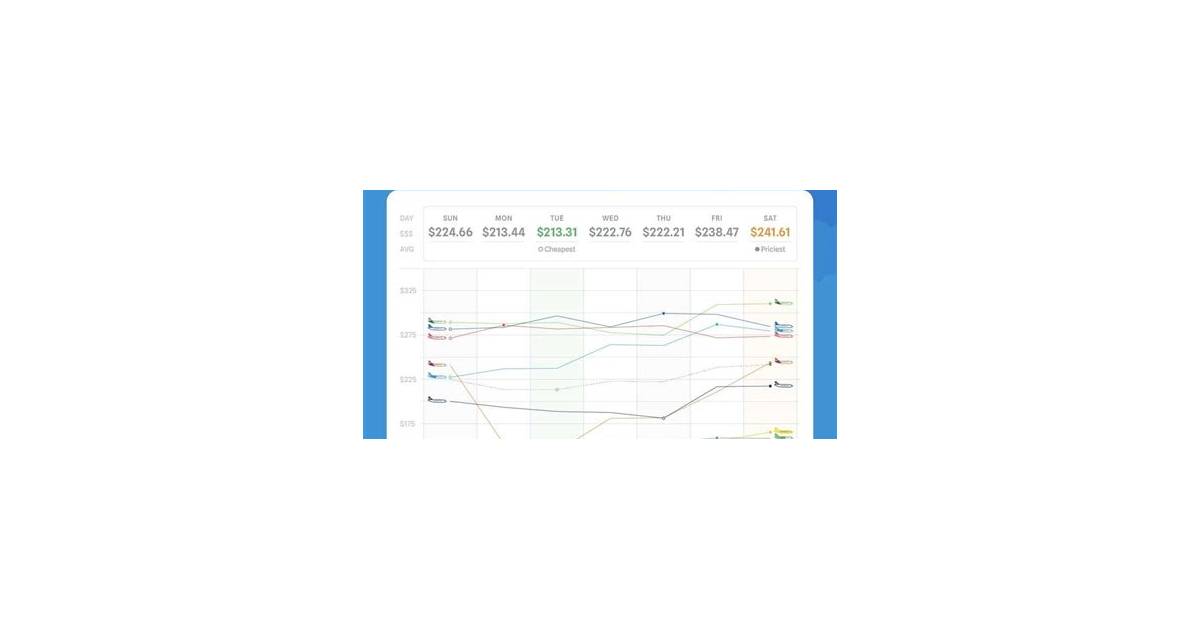
Finding cheaper days to book flights and hotels could lead to savings—though outdated advice might waste money. While some still swear by Tuesday deals or last-minute steals, experienced travelers adapt to shifting trends. Understanding when prices drop is more effective than relying on old rules that may no longer apply.
This guide examines current trends, showing when flights and hotels often hit their lowest prices based on recent data. Whether you’re planning a weekend trip or an overseas adventure, you’ll find practical booking strategies, travel days that can help with savings, and tools to catch deals before they disappear.
Cheapest Day to Book Flights and Hotels for Savings
Book flights onTuesdays or Wednesdays to secure the lowest prices. Airlines often release new fares and discounts early in the week, making these days prime for deals.
Flight prices tend to rise as the weekend approaches, with Friday and Saturday being the most expensive days to book. This happens because leisure travelers often search for weekend trips, driving up demand. Business travelers, who typically book last-minute, also contribute to higher prices later in the week.
Timing matters as much as the day. Early morning (6 AM to 10 AM) is often a good window for booking, as airlines update their systems overnight and new deals may become available. Avoid booking late at night, when prices often spike due to reduced competition and higher demand from international travelers.
Keep in mind that these patterns apply primarily to domestic and short-haul international flights. For long-haul flights, pricing is less predictable and often tied to seasonal demand rather than weekly trends.
Why Tuesday is Often the Cheapest Day to Book Flights
Airlines frequently release new deals and adjust fares on Tuesdays, making it a common day to find lower prices for flights. This pattern stems from airlines updating their pricing systems early in the week, often after reviewing weekend booking data and competitor activity.
To capitalize on this, check for fare drops on Tuesday mornings or afternoons. Airlines often post discounted seats early in the day, while some deals might appear later as they respond to market shifts. Tools like fare alerts or tracking apps can help you monitor these changes without constant manual checking.
While Tuesday often sees fare adjustments, prices can fluctuate any day based on demand or promotions. Use Tuesday as a starting point, but pair it with flexible travel dates and early booking for better results.
Do Flight Prices Drop at Night?
Booking flights late at night doesn’t consistently lead to cheaper prices. While airlines occasionally update fares overnight, there’s no consistent pattern that makes nighttime the optimal time to book. Prices are driven by complex algorithms that factor in demand, competition, and inventory—not the clock.
Some travelers swear by midnight deals, but this strategy often stems from outdated practices. Airlines once refreshed fares overnight when fewer people were searching, but modern systems adjust prices dynamically throughout the day. If you’re staying up late hoping for a bargain, you’re more likely to lose sleep than save money.
Instead of focusing on the time of day, monitor prices over several days or weeks. Use tools like price alerts to catch sudden drops, regardless of when they happen. Timing matters more when booking—aim for Tuesday afternoons or mid-week for better odds—but the hour of the day is rarely the deciding factor.
Optimal Days to Book Hotels for Budget-Friendly Stays
Hotels often lower their rates on Sundays as weekend demand tapers off, making it a smart choice for both domestic and international trips.
Weekend travelers should steer clear of booking on Fridays or Saturdays, when prices rise sharply. Your best bet is to reserve your room by Wednesday or Thursday. While last-minute deals can sometimes pay off, they’re unpredictable—options dwindle quickly, and you might face higher costs for fewer choices.
If your schedule allows, consider staying midweek (Tuesday through Thursday). Hotels that cater to business travelers frequently discount rooms during these days to avoid vacancies. Combining midweek stays with Sunday bookings can stretch your budget further.
How Last-Minute Hotel Bookings Can Save Money
Booking hotels at the last minute can sometimes slash costs, especially in cities with high competition or off-peak seasons. Hotels often drop prices when rooms remain unsold a day or two before check-in. Apps like HotelTonight specialize in these deals, potentially offering discounts compared to booking weeks in advance.
This strategy works best in areas with many hotels competing for business, such as major cities or tourist hubs. It’s less effective in remote locations or when demand spikes, such as around holidays or festivals, where rooms sell out early. Flexibility is key—you’ll need to be open to different hotel brands or neighborhoods.
Last-minute bookings do carry risks. Popular hotels or specific room types may sell out, leaving you with fewer choices. If you’re traveling with a group or need particular amenities, booking earlier ensures you get exactly what you want. For spontaneous trips or flexible travelers, though, waiting can pay off.
Booking Hotels on Weekdays vs. Weekends
Booking a hotel on a weekday is often cheaper than on a weekend, especially in business-centric areas. Hotels in cities with high corporate traffic, like New York or London, drop their prices midweek to fill rooms when business travelers leave. Conversely, weekends see higher demand from leisure travelers, driving prices up.
In tourist-heavy destinations, the pattern can flip. Beach resorts or rural retreats often charge more on weekdays when visitors take long weekends or vacations. Ski towns, for example, may spike prices from Friday to Sunday as skiers arrive for short trips.
Timing matters too. Booking early for weekend stays can sometimes lock in lower rates before demand surges. If you’re flexible, consider checking prices for both weekdays and weekends—some hotels offer midweek promotions to attract guests during quieter periods.
When to Fly for the Cheapest Airfare
Tuesdays and Wednesdays may offer cheaper flights compared to weekend departures, as midweek flights tend to have lower demand and airlines frequently drop prices to fill seats.
If you’re flexible with dates, avoid flying on Fridays and Sundays—these are peak travel days for business and leisure travelers, respectively. Holidays and school breaks also drive up prices, so steer clear of those periods unless absolutely necessary.
For international trips, consider flying on a Thursday or Saturday. These days often have fewer business travelers, especially on long-haul routes. Pairing midweek flights with early morning or late-night departures can maximize savings further.
Pro tip: Use fare comparison tools to view prices across a range of dates. Even shifting your departure by one day can make a noticeable difference in cost.
Midweek Flights vs. Weekend Flights
Flying midweek often saves you money compared to weekend travel. Airlines typically lower prices for Tuesday, Wednesday, and Thursday flights because demand is lower on these days. Business travelers dominate Monday and Friday, while weekend trips are popular among leisure travelers, driving up costs.
For example, flights departing on a Wednesday can sometimes cost significantly less than the same route on a Saturday. This gap often widens during peak travel seasons like summer or holidays, when weekend demand surges. If your schedule allows flexibility, shifting your trip by even one day can make a noticeable difference.
Keep in mind that this pattern doesn’t apply to all routes. Budget airlines or routes with high tourist traffic may have less variation. Always compare prices for specific dates before booking.
Book midweek during shoulder seasons for the biggest savings
Flight prices spike when demand does — school holidays, major festivals, and predictable weather windows. The sweet spot is shoulder season: the weeks just before or after peak times when crowds thin but conditions remain favorable. For Europe, that’s late April or September; for Caribbean getaways, target May or early December.
Tuesdays and Wednesdays consistently offer lower fares than weekends, especially for domestic routes. Airlines often release discounted seats on Monday nights, making Tuesday mornings prime for snagging deals before inventory shifts. Avoid Friday bookings — business travelers drive up last-minute demand.
Two exceptions to the midweek rule include holiday weekends, where Thursday departures may cost less than Friday, and ultra-low-cost carriers like Ryanair that occasionally run flash sales. Always cross-check your dates against local events calendars — a minor conference can inflate prices unexpectedly.
Domestic vs. International Booking Strategies
Domestic flights and hotels rarely demand the extended lead time needed for international trips. When traveling within your country, reserving your spot 1-3 months ahead usually offers the sweet spot between availability and cost. Airlines often release discounted seats closer to departure for these routes, and hotels may lower rates to fill vacancies.
International travel follows different rules. Airfare typically hits its lowest point 2-8 months before departure, particularly on sought-after routes. Hotels in major foreign cities also book up quickly, making reservations 3-6 months in advance essential for better rates and selection. Delaying could leave you with limited options and higher prices.
One notable exception: last-minute deals. For domestic trips, booking just 1-2 weeks before departure can occasionally yield unexpected savings, especially with hotels. This strategy seldom works internationally, where late bookings usually mean higher costs or compromised choices.
How Far in Advance to Book Domestic Flights
For domestic flights, booking 1–3 months in advance often gets you lower prices. Airlines frequently release their cheapest fares during this window, before last-minute rates spike. Booking earlier than three months can lock you into higher prices, as airlines use advanced algorithms to predict demand.
Timing matters more than the day of the week. While Tuesday has often been cited as a good day to book, modern pricing models can fluctuate daily. Focus on avoiding busy times such as holidays or weekends, when prices tend to rise regardless of booking timing.
If you’re planning a trip during a busy season or to a popular destination, aim for the 2-month mark. This gives you enough time to secure seats before prices climb due to increased demand. On less competitive routes or during quieter periods, waiting until 3–4 weeks out can sometimes yield deeper discounts, as airlines try to fill remaining seats.
Booking International Flights: Timing Matters
For international trips, booking early is your best bet for snagging cheaper flights. Airlines typically release their schedules 11 months in advance, with fares gradually increasing as departure dates approach. Holding off too long often leads to higher costs, especially on popular routes.
The sweet spot for booking international flights usually falls 4-6 months before departure. This timing lets you access lower fares before demand spikes while still leaving room to compare options. Seasonal factors also come into play—travelers aiming to save should avoid peak periods like holidays or summer breaks.
Setting fare alerts as soon as your travel dates are confirmed can help you avoid price hikes later on. Airlines frequently raise prices closer to departure, so locking in a deal early could save hundreds. While flexible travelers might occasionally find deals nearer the travel date, this strategy involves more uncertainty and tends to be less reliable for international flights.
Debunking Common Flight and Hotel Booking Myths
Cheaper flights and hotels aren’t tied to specific days of the week or magical booking windows. Many myths persist because they sound logical—but they’re often based on outdated practices or oversimplified assumptions. Here’s what you need to know to avoid falling for common misconceptions.
The idea that booking on a Tuesday leads to lower prices may reflect past airline practices, though modern dynamic pricing algorithms adjust costs continuously based on demand, not the day of the week. Similarly, claims that hotels drop prices on Sundays ignore the fact that rates fluctuate based on occupancy, events, and competitor pricing.
Another myth is that last-minute bookings always save money. While this can work for flights with excess inventory, hotels often charge higher rates as they fill up. Conversely, booking too far in advance can lock you into higher prices before seasonal discounts or promotions are announced. Timing matters, but it’s about understanding demand patterns rather than fixed rules.
Finally, tools claiming to predict the “cheapest day to book” often rely on historical data, which isn’t a reliable indicator of future prices. Instead of chasing these trends, focus on monitoring rates over time and booking when prices align with your budget. Flexibility is your best strategy.
Is Booking Flights and Hotels Together Cheaper?
Booking flights and hotels together can save money, but it depends on the trip and the platforms you use. Package deals often include discounts from travel providers, but they might limit flexibility or exclude cheaper options available separately.
Travel agencies and booking platforms like Expedia or Kayak frequently offer bundled deals that combine flights and hotels at a lower rate than booking each individually. These packages are particularly useful for popular destinations or peak travel seasons, where providers aim to fill rooms and seats simultaneously.
However, booking separately can sometimes yield better savings. Independent searches allow you to mix budget airlines with discounted hotels, especially if you’re staying in a city with many accommodation options. Tools like Google Flights and HotelTonight can help you find cheaper alternatives outside of package deals. Always compare prices for both approaches before committing.
The Truth About Last-Minute Flight Deals
Holding off until the final days before a flight rarely leads to savings—airlines capitalize on travelers’ urgency by raising prices. Costs typically jump 7–14 days before departure as seats disappear, especially on popular routes or during high-demand periods. While some recall snagging an occasional cheap ticket, the reality is most last-minute bookings come with premium pricing.
Genuine last-minute discounts do happen, but only in specific cases: shoulder-season trips to vacation spots (like Caribbean hotels during September rainstorms), flights with consistently poor bookings (overnight routes or Tuesday departures), or when carriers unexpectedly expand their schedule. These remain risky—the ‘bargain’ might still exceed what you’d have paid weeks earlier.
There are occasional outliers. For those with completely open schedules, certain apps track extreme price drops when airlines offload remaining seats 2–3 days pre-flight. These require lightning-fast decisions—you won’t have time to arrange accommodations or request time off work.
Tools and Tips for Finding the Best Deals
Tools and strategies can help identify potential savings when booking flights and hotels. Start with price tracking apps like Hopper or Google Flights, which analyze historical data to predict price drops and notify you when prices are lower. These tools are especially useful for flights, where prices fluctuate daily.
For hotels, consider using metasearch engines like Kayak or Trivago to compare prices across multiple booking platforms. These sites often highlight discounts or special deals you might miss elsewhere. Flexible travelers can also try “mystery hotel” deals on platforms like Hotwire, where you book without knowing the exact hotel until after payment — often at a steep discount.
Timing matters, too. Booking flights on a Tuesday or Wednesday, especially in the early morning, can sometimes yield lower prices as airlines release new fares overnight. For hotels, booking midweek stays or avoiding peak travel seasons can significantly reduce costs.
Finally, always clear your browser cookies or use incognito mode when searching. Some sites track your visits and may raise prices if they detect repeated searches for the same route or dates.
Using Flexible Date Searches to Save Money
Shifting your travel dates by just a day or two may help reduce flight and hotel costs. Travel demand fluctuates sharply around weekends, holidays, and major events, creating price gaps that flexible travelers can exploit.
Most booking platforms now include flexible date calendars that show prices across a range of dates. Look for patterns: midweek flights (Tuesday to Thursday) are often cheaper than Friday or Sunday departures, while hotel rates tend to drop after peak check-in days like Friday. Avoid dates near holidays or festivals unless you’re specifically attending.
If your dates are fixed, try adjusting your itinerary slightly. For example, departing early on Tuesday instead of late Monday can save hundreds on flights, while shifting a hotel stay to start midweek often unlocks lower rates. Tools like Google Flights’ price graph or hotel booking sites’ date grids make these comparisons quick and visual.
For international trips, consider flying into a nearby airport on a cheaper day and using regional transport. This approach works especially well in Europe and Southeast Asia, where budget airlines and trains make last-leg travel affordable.
Top Booking Apps and Websites for 2026
Skyscanner remains a go-to for flexible travelers, offering its “Cheapest Month” search feature and price alerts. This makes it especially valuable if you’re willing to adjust your travel dates to find better deals on flights and hotels. Google Flights stands out with its intuitive calendar view and lightning-fast searches, perfect for quick comparisons.
Booking.com continues to dominate hotel bookings with its vast inventory and detailed user reviews. Its Genius loyalty program provides discounts for frequent users, which can combine with other promotions for extra savings. Hopper offers predictive tools that analyze historical data to suggest potential times to book or wait for lower prices.
For travelers booking both flights and hotels, Kayak’s bundled deals offer convenience and savings. Its “Price Forecast” feature helps determine whether to book immediately or wait. Last-minute planners will appreciate HotelTonight’s mobile-first approach, particularly effective in urban areas.
How It Works
Flight and hotel prices fluctuate based on demand, competition, and booking patterns, not arbitrary days of the week. Airlines and hotels use dynamic pricing algorithms that adjust rates in real time. These algorithms analyze factors like seat or room availability, how far in advance you’re booking, and even your browsing history.
For flights, prices often dip on Tuesdays and Wednesdays because these are typically low-demand travel days. Airlines may release discounted fares early in the week to fill empty seats. Hotels, on the other hand, tend to offer better deals on weekends when business travel slows and leisure travelers can take advantage of last-minute vacancies.
Booking engines also track how many people are searching for the same route or destination. If demand spikes, prices rise. This is why clearing your cookies or using incognito mode can sometimes help avoid inflated rates. Timing matters more than the day itself—booking too early or too late can cost you, regardless of the day.
Types and Components
Booking flights and hotels at the lowest cost hinges on understanding the key components that drive pricing. Airfare and lodging costs fluctuate based on distinct factors, each requiring a tailored strategy.
For flights, the primary components include route demand, airline competition, and seasonal trends. Routes with fewer carriers or high business travel often command higher prices. Seasonal spikes, like holidays or summer vacations, can double costs overnight. Timing matters too—early morning or late-night flights tend to be cheaper due to lower demand.
Hotel pricing revolves around location, occupancy rates, and event schedules. City-center hotels spike during conferences or festivals, while resorts peak in summer or winter. Midweek stays often cost less than weekends, especially in business-oriented areas.
Both flights and hotels share common pricing influences, such as advance booking windows and cancellation policies. Booking too early or too late can backfire—aim for the sweet spot, typically 2-3 months before travel for international trips and 1-2 months for domestic ones. Flexible cancellation policies may cost slightly more but can save you money if plans change.
Challenges and Limitations
Booking flights and hotels on cheaper days offers savings potential, but carries inherent uncertainties. Pricing algorithms constantly evolve based on demand fluctuations, seasonal patterns, and even individual browsing history—strategies that worked previously may no longer apply.
This approach demands flexibility many travelers can’t afford. Work obligations, family events, or other fixed-date commitments often prevent shifting travel plans to capture savings. Even when possible, off-peak dates may bring tradeoffs like reduced amenities or inconvenient flight times.
The pursuit of rock-bottom prices sometimes backfires. That bargain flight might mean enduring multiple connections, while a deeply discounted hotel could strand you far from desired attractions. Savvy travelers balance cost savings against their priorities for comfort and convenience.
What Is Cheapest Day To Book Flights And Hotels?
Booking flights and hotels on certain days of the week may lead to lower prices, as trends suggest airlines and hotels often adjust rates during these periods. For flights, this is usually Tuesday or Wednesday, while hotels tend to offer better rates on Sundays.
These patterns emerge because airlines and hotels adjust prices based on demand. Midweek flights are less popular, so airlines lower prices to fill seats. Similarly, hotels see fewer weekend bookings, making Sunday a strategic day for discounts. However, these trends aren’t absolute—your destination, travel season, and booking platform can influence the outcome.
Monitoring prices over time is often more effective than relying solely on a specific day. Tools like price alerts and flexible date searches may help you identify potential deals, regardless of the day of the week.
Examples
Booking flights on Tuesday mornings often yields cheaper fares, especially for domestic routes. Airlines typically release deals late Monday night, and competitors adjust prices by Tuesday morning. For international flights, Thursday afternoons can be cheaper, as fewer business travelers book during this time.
Hotels tend to offer lower rates on Sundays, when fewer travelers check in. Booking a stay that overlaps with Sunday nights can save you money. For example, a midweek trip that includes Sunday often costs less than a weekend-only stay.
Combining flight and hotel bookings on the same day can also lead to discounts. Many travel platforms offer bundled deals if you search for both at once. For instance, booking a flight and hotel together on a Tuesday might save you more than booking them separately.
Key Takeaways
- Flight prices often drop on Tuesdays and Wednesdays, especially in the early morning hours from 6 AM to 10 AM. Late-night and weekend bookings typically carry premium pricing.
- Sunday hotel bookings frequently yield better deals, while midweek stays (Tuesday through Thursday) generally cost less than weekends. Friday and Saturday nights command the highest rates.
- For hotels in popular destinations, last-minute bookings sometimes provide discounts—though you’ll need flexibility. Apps like HotelTonight focus specifically on these day-of deals.
- Airfares usually hit their lowest points midweek, with Tuesday and Wednesday showing consistent discounts. Weekend flights, especially Fridays and Sundays, often carry price premiums.
- Domestic flights typically offer lower prices when booked 1-3 months out. For international travel, securing tickets 4-6 months in advance tends to provide more favorable fares.
Frequently Asked Questions
Is it cheaper to book flights and hotels together?
Booking flights and hotels together can sometimes save money through package deals or discounts offered by travel agencies or booking platforms. However, it’s worth comparing prices separately, as individual bookings may be cheaper, especially during sales or with specific promotions. Comparing both approaches can help find lower rates.
How many days before a flight is cheapest to book?
For domestic flights, booking 1-3 months in advance typically provides lower fares. International flights usually offer better prices when booked several months ahead, as costs often increase closer to departure.
Is it better to book flights and hotels separately?
Booking flights and hotels separately can sometimes lead to better deals and more flexibility, especially if you’re comparing prices across multiple platforms. Separate bookings allow you to take advantage of specific promotions or discounts for each component. However, bundling can be cost-effective if you find a package deal that aligns with your travel dates and preferences. Comparing both options can help determine what works for your trip.
Is it cheaper to book flights closer to the date?
Booking flights closer to the date is rarely cheaper and can be risky, as prices often rise as availability decreases. Last-minute deals do exist but are unpredictable and typically limited to off-peak travel periods or less popular routes. For most trips, booking several weeks in advance usually offers better rates and more options.
Conclusion
Finding better deals on flights and hotels often depends on timing, flexibility, and using tools effectively. Although booking midweek often leads to lower prices, staying adaptable offers the greatest savings. Adjusting your schedule slightly, choosing alternative destinations, and planning well ahead can all help keep costs down.
Take advantage of price comparison tools and alerts to track changes in rates. Act fast when you find a good deal—they don’t stick around long. With smart planning, you can stretch your budget further and focus on making the most of your travels.

Similar Posts