How to Find Cheap Flight and Hotel Packages in 2026

Paying separately for flights and accommodations often burns through your budget faster than necessary. Fortunately, learning how to find cheap flight and hotel packages takes less effort than many travelers assume — with no compromise on quality or convenience. From quick weekend trips to extended holidays, bundling these essentials frequently yields significant discounts.
Designed for 2026 travelers watching their wallets, this guide reveals top sites for package deals, ideal booking windows for maximum savings, and clever flexibility tricks to cut costs deeper. You’ll also learn to spot hidden charges and leverage rewards programs for additional discounts.
Why booking flights and hotels together saves money
Travel companies discount packages because they profit from selling you more at once. Airlines and hotels allocate rooms and seats to bundlers at wholesale rates—often 15-30% below public prices—to help ensure occupancy.
Bundling also avoids fragmented pricing. When you book separately, hotels assume you’ll compare rates daily, while airlines hike last-minute seat prices. Packages lock both costs upfront, eliminating dynamic pricing spikes.
Where the savings come from
- Bulk inventory deals: Operators like Expedia or Priceline negotiate blocks of rooms/flights at fixed rates, then split the discount with you.
- Matched demand: A hotel struggling to fill rooms may subsidize the flight portion to attract travelers.
- Hidden loyalty perks: Some packages include waived resort fees or free breakfasts that aren’t advertised separately.
Exception: Bundling rarely pays if you need boutique hotels or flexible flight changes. The discounts target standardized 3-4 star chains and non-refundable economy seats.
Travel providers lose less money on discounts when you book both flights and hotels
Bundled deals aren’t about generosity—they’re a calculated trade-off. Airlines and hotels have perishable inventory: an empty seat or room earns them nothing. Discounting one hurts margins, but pairing them spreads the pain. When hotels discount rooms significantly, bundling with flights helps offset the reduced revenue. This approach allows both providers to share the impact of discounts while maintaining profitability.
Hotels particularly benefit from higher occupancy rates. A guest who books both flight and lodging is statistically less likely to cancel—they’ve committed to the trip, not just a refundable room. Airlines win too: packages often route travelers through their partner hubs, filling planes that might otherwise fly half-empty on less popular routes.
Three ways bundling saves providers money
- Reduced marketing costs: One ad sells two services instead of separate campaigns for flights and hotels.
- Lower payment processing fees: A single transaction means one credit card fee instead of two.
- Fewer last-minute cancellations: Package bookers may change plans less often than standalone hotel guests.
Best websites for flight and hotel package deals
Bundling flights with accommodations often saves money compared to purchasing them individually, though discounts vary by platform. Knowing where to look—and how to refine your search—makes all the difference.
Aggregators vs. OTAs: where to start
Google Travel (formerly Google Flights/Hotels) stands out for comparing prices across providers while letting you tweak dates to instantly update package costs. Its “Deals” section spotlights limited-time bundles, though final booking usually happens through partner sites. Kayak and Skyscanner offer comparable functionality while casting a wider net across regional travel agencies.
When ready-made bundles appeal more, Expedia and Priceline lead the field with loyalty incentives: Expedia’s rewards convert to future travel credits, while Priceline’s “Express Deals” trade transparency for steeper discounts—you’ll know the hotel’s star rating and approximate location before committing.
Niche players with hidden perks
- CheapCaribbean: Curated all-inclusive resort stays with airfare, frequently bundling airport transfers and dining—perfect for fixed-budget vacations.
- Costco Travel: Membership unlocks value-added packages featuring room upgrades or resort credits, especially for Hawaiian and Mexican getaways.
- Travelocity: Stands behind packages with a 24-hour price match guarantee if you find identical components cheaper elsewhere.
Before finalizing any package, tally the individual flight and hotel costs separately—some “discounts” merely combine standard rates. Use “free cancellation” filters unless travel dates are firm, and be aware that prices may fluctuate after your initial search.
Set price alerts, then wait for the drop
Most travelers check prices once and book immediately—missing the typical 2-3 price dips that occur before departure. Tools like Google Flights, Hopper, and Kayak track historical data to predict when fares will fall. Set alerts for your route and preferred dates, but also for +/- 3 days; flexibility often unlocks deeper discounts.
Hotels follow different patterns than flights. While airfare tends to drop 2-6 weeks before departure (except holiday periods), hotel rates fluctuate based on occupancy. Track both independently—a bundle might seem cheap until you realize the hotel portion hasn’t adjusted for last-minute vacancies.
- Double-check the source: Some aggregators show outdated rates. Always click through to the airline/hotel site before booking.
- Watch for “resets”: Airlines often lower prices on Tuesdays after adjusting for competitor moves.
- Set a maximum price: Tools like Skyscanner let you specify “only alert me if the price drops below $X.”
Timing strategies for the cheapest packages
Book flight and hotel packages 2–4 months in advance for peak season trips, or 1–2 months ahead for shoulder season—last-minute deals exist but rarely beat early bird rates. Airlines and hotels sync their discount cycles, so bundling works best when both industries see low demand.
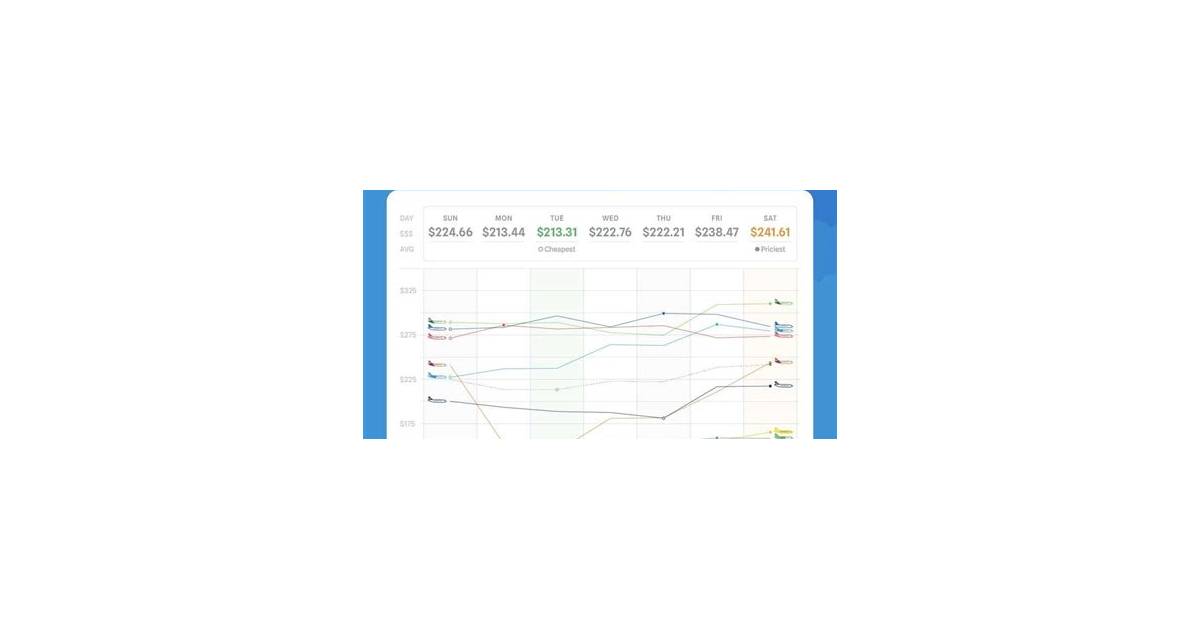
Off-peak travel windows tend to offer savings: avoid school holidays, major festivals, and weekends. Tuesday and Wednesday departures usually run significantly cheaper than weekend flights. Consider mid-January to early February for winter getaways, or late September to early November for autumn trips.
- Dynamic pricing traps: Avoid searching repeatedly for the same dates—clear cookies or use incognito mode to prevent algorithms hiking prices.
- Error fare alerts: Subscribe to deal newsletters that catch pricing mistakes, like transpacific business class seats mistakenly listed at economy rates.
- Cancelation wave: Check for rebooked packages 24–48 hours after major storms or events, when waived penalties free up inventory.
Resort destinations often dump unsold rooms into packages 3–6 weeks out, while city hotels hold firm until 10–14 days pre-check-in. For the Caribbean, watch for September hurricane policies that include free rebooking—you risk rain but lock in low rates.
Flight and hotel prices follow predictable seasonal patterns
Prices drop sharply in January and February as demand plummets post-holidays. Hotels in ski destinations may hold steady, while beach resorts and city hotels frequently offer discounted rooms.
Spring sees moderate prices until mid-April when spring break spikes costs in popular college destinations. May is a sweet spot—warmer weather without peak summer rates yet.
June through August commands peak prices, especially for family travel. Watch for brief mid-week hotel discounts when business travel dips. September brings immediate relief as kids return to school, with some airlines offering “shoulder season” deals through October.
November and December split between bargains (first two weeks) and premium pricing (holidays). Black Friday often has genuine deals on package bookings if you’re flexible on dates.
Flexibility hacks to unlock deeper discounts
Shifting your travel dates by even one day can reduce package prices by 20% or more. Savings often come when you avoid peak demand—weekends, holidays, and local event dates—while airlines and hotels aim to fill empty seats and rooms.
Focus on these three areas to maximize savings:
- Airports: Flying into a secondary airport (like Oakland instead of San Francisco) often cuts costs, especially if you’re willing to take a 30-minute train or rideshare to your final destination.
- Dates: Midweek flights (Tuesday-Wednesday) paired with Thursday check-ins often undercut weekend rates. Use fare calendars to spot the cheapest 3-day window within your month.
- Neighborhoods: A hotel 15 minutes further from tourist centers might cost half as much—check metro maps to confirm convenient transit links before dismissing “less central” options.
Set up price alerts for multiple date ranges and nearby airports simultaneously. Many travelers score their ideal package by adjusting one variable—like accepting a 6am flight or a hotel with a 10-minute walk to the subway—without sacrificing other priorities.
Your browser settings can unlock hidden discounts
Travel booking sites often adjust prices based on your perceived location, which they infer from browser language and currency settings. Some travelers report seeing lower prices when viewing packages in different currencies or regional settings.
Try these steps before booking:
- Switch to a local language for your destination (e.g., Spanish for Mexico trips, Thai for Bangkok)
- Check prices in multiple currencies using a site’s dropdown menu—some conversions are worse than others
- Use a VPN to test prices from different countries, though some sites now block this tactic
The price differences aren’t arbitrary. Sites optimize for regional demand and competition—a budget airline might discount aggressively in its home market but not abroad. Just remember to confirm the final price in your home currency before paying, as dynamic exchange rates can erase savings.
How to compare total costs accurately
The cheapest-looking deal often hides extra costs that can add significantly to the final price. Start by checking the fine print for mandatory fees like resort charges, airport transfers, or baggage costs that aren’t included in the initial quote.
Always compare packages on the same basis. If one includes breakfast and another doesn’t, factor in the cost of meals separately. Use a spreadsheet to track each expense, from taxes to Wi-Fi fees, so you’re comparing apples to apples.
Watch for dynamic pricing traps. Some platforms show lower base rates but tack on hefty booking fees at checkout. Open incognito tabs to avoid price hikes based on your search history, and always review the final total before confirming.
What You’ll Need
To find cheap flight and hotel packages, you’ll need flexibility, a clear budget, and a few key tools. Without these, you risk overspending or missing out on competitive deals.
Start by narrowing down your travel dates. Even a day or two of wiggle room can slash prices, especially if you avoid peak seasons. Next, decide on your budget range—knowing your limit helps filter options quickly. Have a credit card ready for booking; some deals require immediate payment, and rewards cards can earn you points or discounts.
Use tools like price comparison websites and airline or hotel alerts to track fluctuations. Sign up for newsletters from travel aggregators—they often send exclusive deals to subscribers. Finally, keep a list of your preferences (airline, hotel chain, amenities) to avoid getting overwhelmed by choices.
Tips and Best Practices
Scoring affordable flight and hotel packages requires strategy beyond simple searches. Start with price alerts through services like Kayak or Google Flights—these do the tracking for you, sending notifications when fares decrease so you don’t have to monitor prices manually.
Being flexible with dates can lead to significant savings. While weekend trips command premium pricing, midweek travel often comes at lower rates. For international destinations, consider secondary airports: opting for Gatwick instead of Heathrow could save hundreds, with convenient transit connections still available.
Don’t assume bundled deals are automatically cheaper. Always compare package prices against booking flights and accommodations separately—sometimes direct reservations through airlines or hotels offer better value with extras like free breakfast or room upgrades.
Last-minute opportunities can yield surprising discounts if you’re able to travel spontaneously. Apps like HotelTonight or Expedia’s last-minute packages frequently feature steep markdowns, though these deals require quick decisions before they’re gone.
Next Steps
Once you’ve found a cheap flight and hotel package that fits your budget, your focus shifts to securing it and preparing for your trip. Start by double-checking the details—dates, cancellation policies, and inclusions—to avoid surprises. Booking directly through the provider’s website often gives you more flexibility and better customer service, as third-party platforms may have stricter terms or limited support.
Next, sign up for price alerts on platforms like Google Flights or Kayak to monitor potential price drops before your trip. This can be useful if you’ve booked a refundable package, as you may rebook at a lower rate. However, price alerts may not always lead to savings, especially during peak travel seasons.
If you’re traveling internationally, ensure your passport is valid for at least six months beyond your return date, as many countries require this. Research visa requirements early, as processing times can vary widely. Some destinations offer e-visas or visa-on-arrival options, but others may require advance applications.
Finally, consider purchasing travel insurance, especially for non-refundable packages, to protect your investment in case of unexpected changes. Policies vary, so look for coverage that includes trip cancellations, medical emergencies, and delays. While it adds to your upfront cost, it can save you significant money and stress if plans go awry.
What Is How To Find Cheap Flight And Hotel Packages?
Cheap flight and hotel packages combine airfare and accommodation into one purchase, typically costing less than booking each element separately. Travelers choose these bundled deals to cut costs while maintaining convenience. Providers leverage bulk purchasing power to pass along savings that individual bookings rarely match.
You’ll find these package deals through travel agencies, airlines, and online booking platforms—particularly during slow travel periods or special promotions. The real savings come from thorough comparison shopping across multiple sources, including niche travel deal sites. Being open to adjusting your plans pays off: shifting dates by 48 hours or opting for a neighboring airport often reveals unexpectedly low rates.
Potential drawbacks exist. Bundled options might restrict your airline or hotel selections, and cancellation terms tend to be less flexible than standalone bookings. Always review package details carefully to confirm inclusions like taxes, resort fees, or amenities such as breakfast shuttles. Though packages frequently offer better value, budget-conscious travelers sometimes find cheaper rates by piecing together flights and lodgings from discount providers separately.
Troubleshooting Common Problems
Even with careful planning, finding cheap flight and hotel packages can hit snags. One frequent issue is hidden fees — what looks like a bargain might add extra costs for baggage, Wi-Fi, or resort taxes. Always check the fine print before booking, especially with budget airlines or lesser-known booking platforms.
Another problem is availability mismatches. You might find a great deal on flights, only to discover the hotel options are either fully booked or far from your desired location. To avoid this, search for packages with flexible cancellation policies, so you can pivot if needed without losing money.
Travelers often overlook timing mismatches between flights and hotel check-ins. A late-night arrival won’t align with a standard hotel check-in time, potentially leaving you stranded or forcing you to pay for an extra night. Double-check both schedules and consider contacting the hotel directly to arrange early check-in or luggage storage.
Lastly, price glitches can lead to frustration. Discounts might disappear mid-booking, or the final price might differ from what was advertised. Clearing your browser cache or using incognito mode can help avoid dynamic pricing traps, but always confirm the total cost before completing the transaction.
Frequently Asked Questions
Why are flight and hotel packages cheaper? Airlines and hotels may discount packages by selling bundled inventory at lower rates than public prices. They share discount costs while aiming for higher occupancy. Packages lock both flight and room rates upfront, helping avoid dynamic pricing spikes. Providers may also save on marketing and payment processing fees with a single transaction.
When to consider booking flight and hotel packages: Booking 2-4 months ahead for peak season trips or 1-2 months for shoulder season can help secure better rates. Midweek departures (Tuesday-Wednesday) are often cheaper than weekends. Airlines typically drop prices 2-6 weeks before departure, while hotels may discount based on vacancies—watch for resort deals 3-6 weeks out and city hotels 10-14 days before check-in.
What hidden costs should I check in flight and hotel packages? Resort fees, airport transfers, and baggage costs are often excluded from initial quotes. Some platforms add booking fees at checkout. Always compare final totals, verify rates on official sites, and use incognito mode to avoid price hikes from repeated searches.
Where can I find flight and hotel package deals? Google Travel compares prices across providers. Expedia and Priceline offer loyalty rewards, while Costco Travel provides member perks like room upgrades. Travelocity mentions a price match guarantee on its site, and CheapCaribbean highlights all-inclusive resort stays with airfare. Some sites may include hidden perks like waived resort fees.
How can flexibility save money on flight and hotel packages? Shifting travel dates by just one day can reduce package prices by 20% or more. Choosing secondary airports or hotels slightly further from tourist centers with good transit links may help. Setting alerts for multiple date ranges—adjusting one variable, like a 6am flight—can unlock discounts without sacrificing other preferences.
Stacking discounts for maximum value
The real savings come from layering discounts — but only if you do it right. Violating terms can get bookings canceled, so prioritize stacking methods that don’t trigger fraud alerts.
Begin with the base rate from a package deal, then build on it:
- Membership perks (AAA, AARP, or loyalty programs) applied during checkout — these rarely conflict with other offers
- Cashback portals like Rakuten, which track separately from the booking site
- Gift cards purchased at a discount (some retailers offer bulk discounts)
Steer clear of stacking codes marked ‘single use’ or ‘cannot be combined.’ It’s wiser to pair one strong promo (like a 30% Black Friday deal) with passive discounts than risk rejection by overloading with multiple shaky coupons.
Pro tip: Book refundable rates first when testing combinations. Some systems apply discounts in unexpected orders—always check the official pricing page for current details, as calculations can vary. Prices fluctuate frequently, so confirm the final cost before booking.
Conclusion
Securing affordable flight and hotel packages in 2026 depends on strategic timing, flexible travel plans, and smart comparison tools. Booking during off-peak windows, setting price alerts, and testing regional pricing variations often yield savings over separate bookings. The deepest discounts usually result from tweaking just one variable—like airport choice or midweek travel—without sacrificing other preferences.
Your next step: Choose two potential travel dates and set up alerts on Google Flights or Kayak for both your primary and nearby secondary airports. This captures price drops while allowing you to compare packages against standalone flight and hotel costs. Verify final totals for hidden fees before booking, and consider travel insurance for non-refundable deals—especially during unpredictable weather seasons.

Similar Posts




























[…] cheap flights and hotel packages to the Dominican Republic doesn’t have to feel like a treasure hunt. With the right timing, a bit […]
[…] Domestic flights and hotels rarely demand the extended lead time needed for international trips. When traveling within your country, reserving your spot 1-3 months ahead usually offers the sweet spot between availability and cost. Airlines often release discounted seats closer to departure for these routes, and hotels may lower rates to fill vacancies. […]