Best eSIM for International Travel 2026 | Global Guide

Staying connected abroad used to mean hunting for local SIM cards or paying high roaming fees. An eSIM can solve that—if you pick the right one. Here’s our guide to eSIMs for international travel, evaluated for coverage, reliability, and value based on provider claims.
The Top eSIMs for International Travel at a Glance
| Provider | Best For | Standout Quality |
|---|---|---|
| Airalo | Budget travelers | Largest global network |
| Nomad | Frequent flyers | Regional-specific plans |
| Ubigi | High-speed data | 5G in 100+ countries |
| Holafly | Unlimited data | No speed throttling |
| Truphone | Business travelers | Priority customer support |
Our picks aim to balance coverage, affordability, and ease of use for travelers with different needs. Airalo offers pay-as-you-go plans that may work well for short trips or travelers prioritizing flexibility. However, its data speeds can vary by region, making it potentially better suited for light usage like messaging and maps. Nomad provides region-specific packages, which may simplify multi-country trips and save time for travelers crossing borders. Check coverage maps to confirm your destinations are included.
Ubigi focuses on high-speed 5G connectivity for data-heavy tasks like streaming or video calls, but its plans may cost more than others. It’s a solid choice for business travelers or digital nomads who prioritize speed. Holafly provides unlimited data for travelers who want to avoid bill shock, though its speeds may throttle after heavy usage. This makes it suitable for those who don’t want to monitor their data but still need consistent connectivity.
Truphone completes the list with priority customer support tailored for business travelers. While its plans are pricier, the added convenience of 24/7 assistance can be worth it for those who need reliable help abroad. For travelers on a tight budget, Airalo or Nomad might be better options, while those needing high-speed or unlimited data should consider Ubigi or Holafly. Always verify coverage and compatibility with your device before purchasing.
How We Chose the Best eSIMs
We evaluated providers based on:
- Coverage: Countries supported and network reliability
- Data plans: Flexibility, fairness of pricing
- Ease of use: Activation process and app functionality
- Customer support: Responsiveness for travelers in a pinch
We prioritized providers that cater to the unique needs of international travelers, focusing on four key criteria. Coverage was assessed by the number of countries supported and network reliability in popular destinations. Data plans were evaluated for flexibility, fairness of pricing, and suitability for different usage levels. Ease of use considered the simplicity of activation and app functionality, while customer support was rated based on responsiveness and availability for travelers in urgent situations.
1. Airalo — Best for Budget Travelers
Airalo claims to partner with local carriers in numerous countries, offering pay-as-you-go plans that could be cost-effective for travelers prioritizing flexibility over large data allowances.
Key Features
- Global network: Connects to multiple carriers per country for better signal, ensuring you stay connected even in remote areas.
- App-based management: Buy, install, and top up data without physical SIMs, making it a hassle-free option for travelers on the go.
- Short-term plans: 7-day passes ideal for quick trips, allowing you to pay only for what you need.
Best For
- Travelers visiting multiple countries, as Airalo offers regional plans that cover several destinations in one package.
- Those needing minimal data could suit light users who primarily rely on Wi-Fi.
Pros & Cons
✓ Regional packages could appeal to budget-conscious travelers. ✗ No unlimited data options, which might be a drawback for heavy data users.
2. Nomad — Best for Frequent Flyers
Nomad shines with its region-specific plans covering continents like Asia or Africa in a single purchase. This eliminates the hassle of buying separate SIMs for each country, making it a top choice for travelers who frequently cross borders.
Key Features
- Multi-country coverage: Some plans may cover multiple countries, which could simplify transitions between neighboring areas without switching SIMs.
- Longer validity: 30-day plans suit extended stays, reducing the need for frequent top-ups during longer trips.
- Transparent pricing: No hidden fees for activation, ensuring you know exactly what you’re paying upfront.
Best For
- Backpackers hopping between neighboring countries, as Nomad’s multi-country plans simplify connectivity across borders.
- Anyone avoiding per-country SIM swaps, especially in regions where local SIMs are hard to obtain or require extensive paperwork.
Pros & Cons
✓ Bulk data discounts might appeal to heavy data users. ✗ Limited 5G availability, which might affect speeds where 5G is prevalent. Travelers prioritizing 5G could consider alternatives like Ubigi.
Practical Tips
- Check Nomad’s eSIM coverage maps before purchasing to ensure your destinations are included in the regional plan.
- If you’re traveling to a mix of regions, consider combining Nomad’s regional plans with a global plan from another provider for maximum flexibility.
- For short trips or minimal data needs, Nomad’s bulk discounts may not be cost-effective compared to pay-as-you-go options.
3. Ubigi — Best for High-Speed Data
Ubigi emphasizes its focus on high-speed 5G connectivity, which could work well for video calls and large downloads. Its high-speed connectivity might support streaming, file transfers, and video conferencing in urban areas.
Key Features
- 5G priority: Fastest speeds in major cities, ideal for bandwidth-heavy tasks like HD video calls or cloud-based work.
- Day passes: Short-term data plans may be useful for high-data activities like uploading travel vlogs or virtual meetings.
- eSports mode: Optimized for latency-sensitive apps, ensuring smooth gaming or real-time collaboration tools.
Best For
- Digital nomads uploading content who need reliable speeds for large files.
- Business travelers needing video conferencing with minimal lag or buffering.
Pros & Cons
✓ Speeds in tech hubs like Tokyo or Berlin may support productivity. ✗ Higher cost than some competitors, potentially less ideal for budget-conscious travelers or minimal data needs.
Alternative
For travelers who don’t require 5G speeds, providers like Airalo or Nomad offer more affordable plans with sufficient LTE coverage. These are better suited for casual browsing or light usage.
Practical Tips
- Check Ubigi’s eSIM coverage maps to confirm 5G availability in your destination cities.
- Use day passes strategically for high-data activities, switching to smaller plans for lighter usage days.
- Pair Ubigi with a local SIM in areas where 5G isn’t available to save costs.
Buyer’s Guide: What to Consider
Coverage Areas
Check if your destination is covered—some providers exclude countries like Cuba or Iran. Coverage gaps can leave you without connectivity, so always verify the provider’s eSIM coverage maps for your specific destinations. If traveling to multiple countries, consider global plans that avoid the hassle of switching eSIMs.
Data Needs
Light users (email/maps) might need smaller data plans; heavy users (streaming) could require larger or unlimited options. For short trips, smaller plans might suffice, but for extended stays, consider rollover options or top-up flexibility. Estimating usage based on past trips could help avoid overpaying for unused data.
Device Compatibility
Most newer iPhones and Pixels support eSIMs, but some Androids don’t. Verify your model first to avoid compatibility issues. If your device doesn’t support eSIMs, consider a dual-SIM phone or a portable hotspot as an alternative.
Choosing an eSIM depends on your travel itinerary and data habits. Check coverage in your destination countries—some providers exclude regions like Cuba or Iran. Assess your data needs: light users (email, maps) typically require smaller data plans, while heavy users (streaming, uploading) may need larger or unlimited options. Verify device compatibility, as not all Android models support eSIMs. Compare pricing and plan flexibility for your trip.
eSIM FAQs
An eSIM is a digital SIM card that lets you activate a mobile plan without needing a physical card. It’s particularly useful for international travelers who want to avoid swapping SIM cards or paying roaming fees.
What’s the difference between an eSIM and a physical SIM?
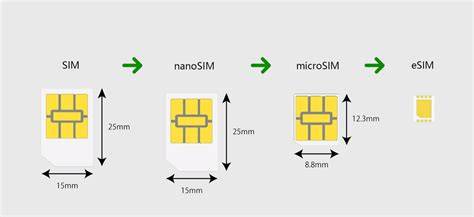
An eSIM is embedded in your device and can store multiple profiles, so you can switch carriers without changing a physical card. Physical SIMs require you to insert a new card for each carrier. eSIMs are more convenient for frequent travelers, but not all devices support them.
How do I activate an eSIM?
Activation usually involves scanning a QR code provided by your carrier or entering details manually. Once activated, your eSIM will connect to the local network. Always check compatibility with your device before purchasing.
Which devices support eSIM?
Most modern smartphones, including recent iPhones (iPhone XS and later), Google Pixel (3 and later), and Samsung Galaxy (S20 and later), support eSIM. However, older models and some budget phones may not. Verify your device’s capabilities before buying.
What are the pros and cons of using an eSIM for travel?
Pros: No need to swap SIM cards, easy to switch between carriers, often cheaper than roaming. Cons: Limited device compatibility, some countries have fewer eSIM providers, and activation requires an internet connection.
What’s a realistic alternative to an eSIM?
If your device doesn’t support eSIM or you’re traveling to a region with limited eSIM options, consider a local physical SIM card. They’re widely available, often affordable, and work on any unlocked phone. Just make sure your device is unlocked before you travel.
Can I use my eSIM for calls and data?
Yes, most eSIM plans include both data and calling capabilities. However, international calling rates can vary, so check the details of your plan. For cheaper calls, consider using apps like WhatsApp or Skype over data.
What’s a good eSIM for frequent travelers?
Look for providers offering flexible plans that cover multiple countries, like regional or global options. Some providers allow you to top up as needed, which is ideal for trips of varying lengths. Always compare costs and coverage before choosing.
What should I do if my eSIM stops working?
First, restart your device and ensure your eSIM profile is active. If the issue persists, contact your provider’s customer support. Having a backup physical SIM or portable Wi-Fi device can save you from connectivity issues in remote areas.
Detailed troubleshooting steps for eSIM issues
If your eSIM isn’t working abroad, start by checking the basics: ensure your phone is unlocked, compatible with eSIMs, and has a stable internet connection. These are the most common blockers, and fixing them often resolves the problem without further steps.
For activation issues, verify that you’ve scanned the QR code correctly or manually entered the activation details. If the eSIM still won’t activate, try restarting your phone or removing and re-adding the eSIM profile in your device settings. Some carriers require you to manually select their network under cellular settings—check if this applies to your provider.
No signal? Confirm that roaming is enabled in your phone’s settings. If you’re in a remote area, switch to manual network selection and choose the strongest available carrier. Note that some eSIMs are region-specific, so ensure your plan covers the country you’re in.
- Slow data speeds: Check if your plan includes high-speed data or if you’ve exceeded the limit. Switching to a different carrier’s network can sometimes improve performance.
- Battery drain: Constant network searching can drain your battery. Enable airplane mode temporarily or manually select a stable network to reduce this issue.
- Expired eSIM: Some plans have a limited validity period. Double-check the expiration date in your eSIM profile settings.
If troubleshooting doesn’t work, contact your eSIM provider’s customer support. Many offer 24/7 assistance via chat or email. For urgent needs, consider purchasing a local SIM card as a temporary alternative—it’s often cheaper for extended stays but lacks the convenience of an eSIM.
Specific use cases for different travel scenarios
Choosing an eSIM may depend on your travel style. Cruises, flights, and remote destinations each have connectivity challenges that some eSIMs handle better than others.
Cruises
On a cruise, you need an eSIM that partners with maritime networks. Some providers offer dedicated cruise packages, but these often come with higher costs. A better alternative might be a global eSIM that includes maritime coverage in its plan, ensuring you stay connected without paying premium rates. For example, if you’re sailing the Mediterranean, look for an eSIM that covers coastal countries and has partnerships with ship-based networks.
Flights
WiFi on flights is notoriously spotty, but certain eSIMs offer in-flight connectivity. These plans typically partner with airlines to provide seamless internet access during your journey. If you’re a frequent flyer, consider an eSIM that includes in-flight WiFi as part of its package. This feature transforms long-haul flights by enabling productivity or entertainment without depending on airline amenities.
Remote areas
Traveling to remote areas like national parks or rural villages requires an eSIM with extensive coverage. Not all eSIMs work well in these locations, so prioritize ones that partner with local carriers. For instance, if you’re hiking in Patagonia, an eSIM with strong coverage in Argentina and Chile is essential. Always check the provider’s coverage map before committing, as some eSIMs excel in cities but falter in rural regions.
Don’t forget to consider your data usage habits. Streaming-heavy travelers might prioritize higher data limits, while occasional users can opt for smaller, more cost-effective plans. Always verify the eSIM’s compatibility with your device and ensure it supports the regions you’ll be visiting.
eSIM security risks and how to mitigate them
eSIMs offer convenience but introduce new security concerns like remote SIM swapping and carrier fraud. Unlike physical SIMs, they’re vulnerable to phishing attacks that can transfer your number without physical access to your device.
Avoid accessing eSIM management portals over public Wi-Fi. If you must, use a VPN—scammers set up fake hotspots at airports to harvest credentials. Some carriers still use SMS-based two-factor authentication for account changes, which is dangerously outdated for eSIM porting.
When eSIMs are riskier than physical SIMs
- High-target individuals: Journalists or executives should keep critical numbers on physical SIMs that require in-person replacement
- Legacy carriers: Some still lack proper eSIM authentication—check if yours requires ID verification for SIM swaps
- Border crossings: Certain governments can pressure carriers to remotely disable eSIMs; a backup physical SIM avoids total isolation
For most travelers, the bigger risk is losing eSIM access. Always print or save offline copies of your QR activation codes—without them, you can’t restore service if your phone is reset or stolen. Consider dual-SIM phones with one physical slot as a backup.
Cost comparison with local SIM cards
For international travel, eSIMs often cost more upfront than local SIM cards but can save you time and hassle. While a local SIM might offer cheaper data rates in some countries, you’ll need to find a store, present ID, and potentially deal with language barriers. eSIMs let you activate a plan instantly from your phone, ideal for short trips or layovers. For overseas travel, they’re a convenient solution to stay connected without the hassle of swapping SIMs.
The real cost advantage of eSIMs comes when visiting multiple countries. Instead of buying a new local SIM in each destination, you can switch between plans or use a multi-region package. Local SIMs, on the other hand, often lock you into a single country’s network.
A practical scenario: imagine a week-long trip across Europe. With an eSIM, you could activate a single plan covering all EU countries. With local SIMs, you might need to buy separate SIMs for each country, depending on your itinerary.
However, if you’re staying in one country for an extended period and need large amounts of data, a local SIM might still be cheaper. Always compare prices on official sites before deciding.
Long-term usage and cost-effectiveness analysis
For frequent travelers, eSIMs often prove more cost-effective than traditional SIM cards over time, but the savings depend on your usage pattern. With a traditional SIM, you’re locked into local carrier rates for each new country, often paying for unused data or expensive roaming. An eSIM lets you switch plans dynamically, avoiding these pitfalls.
Consider a scenario where you travel monthly to different regions. A traditional SIM could involve costs for local data and the hassle of swapping cards. Providers like Airalo or Holafly advertise regional or global plans that could offer competitive pricing and coverage across multiple countries. Providers suggest that multi-country packages may offer savings compared to traditional SIMs for frequent travelers.
However, eSIMs may not be the ideal choice for everyone. If you visit a single country repeatedly, a local SIM with unlimited data might be cheaper. Also, some older devices don’t support eSIMs, forcing you back to traditional SIMs. Always check your phone’s compatibility before committing.
eSIM basics and benefits
An eSIM (embedded SIM) eliminates the need for a physical SIM card, letting you switch carriers or plans directly from your device. It’s particularly useful for international travel, as it allows you to activate local data plans instantly without swapping cards.
Most modern smartphones, including iPhones from the XS onward and recent Samsung Galaxy models, support eSIM technology. Activation typically involves scanning a QR code or entering details manually, which takes minutes. Unlike physical SIMs, you can store multiple profiles on one device and switch between them as needed.
The main advantage is convenience: no more hunting for SIM cards upon arrival or dealing with airport kiosks. eSIMs also reduce the risk of losing or damaging a physical card. However, they’re not universal—some carriers still require physical SIMs, and older devices may lack eSIM compatibility.
For travelers who prefer flexibility, eSIMs are ideal. But if you’re visiting a country with limited eSIM support or using an older phone, a physical SIM might still be your best option. Picture landing in Tokyo, activating a local data plan before you leave the airport, and navigating the city seamlessly—that’s the eSIM advantage.
eSIM installation process
Installing an eSIM for international travel is straightforward, but it depends on your phone’s compatibility. Most modern smartphones, including recent iPhones and Android devices, support eSIMs, but older models may not. Before starting, ensure your phone is unlocked and connected to Wi-Fi.
To activate an eSIM, you’ll typically scan a QR code provided by your carrier or manually enter the activation details. The process takes about five minutes, and you’ll receive a confirmation once it’s complete. Some carriers offer apps that streamline the setup, while others require you to access your phone’s settings menu directly.
If your phone doesn’t support eSIMs, or if you’re uncomfortable with the setup, a physical SIM card remains a reliable alternative. It’s slower to activate, as you’ll need to visit a store or wait for delivery, but it’s often easier for users who prefer a tangible option.
One common mistake is failing to verify your carrier’s coverage in your destination country. Double-check this before activating your eSIM to avoid unexpected roaming charges or connectivity issues. For example, if you’re traveling to rural areas, ensure the carrier has adequate network coverage there.
What matters when choosing an eSIM?
Many eSIM providers aim to balance coverage, affordability, and ease of use. Choosing an eSIM often involves more than just price—factors like connectivity in your destinations, transparent fees, and straightforward setups can also matter.
Coverage is key. Some eSIMs excel in Europe but falter in Asia, while others shine in urban areas but struggle in remote regions. Check the provider’s supported countries list carefully, especially if your trip includes multiple destinations. A global plan might cost more but save you the hassle of switching providers mid-trip.
Affordable doesn’t always mean best. Look beyond the upfront price to understand data limits, speed throttling, and additional costs for calls or texts. Unlimited plans might seem attractive, but they often throttle speeds after a certain usage threshold—fine for browsing, but frustrating for video calls.
Ease of use matters too. Many eSIMs claim to offer straightforward activation, often via a QR code or app, with clear instructions. If you’re not tech-savvy, prioritize providers with reliable customer support and intuitive interfaces.
An alternative worth considering is a local SIM card. It’s often cheaper and offers better speeds, but requires a physical SIM slot and time to purchase upon arrival. For shorter trips or those visiting multiple countries, an eSIM usually wins out for convenience.
Imagine you’re on a two-week trip across Europe, hopping from France to Italy to Greece. A global eSIM lets you stay connected seamlessly, avoiding the hassle of buying a new SIM in each country. Just activate it before you leave, and you’re ready to go.
eSIM battery impact
Using an eSIM for international travel can slightly increase battery consumption compared to a physical SIM, but the difference is often minimal for most users. This is because eSIMs rely on software to connect to networks, which can require more processing power. However, the impact depends on your phone model and usage habits.
To optimize battery life, disable automatic network selection and manually connect to the strongest available network. This reduces the constant scanning that drains power. Also, turn off data roaming when not in use, as searching for foreign networks can be energy-intensive.
If you’re concerned about battery life, consider carrying a portable charger or using a dual-SIM phone with a physical SIM for your primary line. This setup allows you to switch to your physical SIM when battery levels are low while still keeping the eSIM active for international use.
User Reviews
Many eSIMs for international travel aim to balance reliability, ease of setup, and affordability. Many travelers praise eSIMs like Airalo and Holafly for their seamless activation process: scan a QR code, and you’re connected within minutes. However, some users note that coverage can vary by country, so checking the provider’s map before purchase is essential.
A common complaint is the lack of phone call support on some plans, which might be a dealbreaker for those who need voice calls. For frequent travelers, Nomad receives high marks for its flexible data packages and reloadable plans. On the other hand, budget-conscious users often opt for SimOptions for its competitive pricing, though it may require a physical SIM card swap.
In a typical scenario, a business traveler flying to multiple countries in a week might choose an eSIM with global coverage and unlimited data, prioritizing convenience over cost. Meanwhile, a solo backpacker on a tight budget might prefer pay-as-you-go options to avoid overspending on unused data.
Integration with travel apps
Most travel eSIMs work seamlessly with apps like Google Maps, Uber, and TripIt, letting you access data without manual APN setups. Many integrate at the OS level, allowing your phone to treat them like a local carrier for app functionality.
Avoid eSIMs that require VPNs for full functionality, as this can slow down navigation and ride-hailing services. Some budget providers route all traffic through their own servers, which breaks location-based features in apps like Airbnb or Skyscanner.
Watch for these integrations:
- Offline map downloads in apps like Maps.me or Citymapper, which save data when roaming
- Automatic currency conversion in banking apps when paying for eSIM plans abroad
- Real-time alerts from airlines or trains that rely on cellular data for last-minute gate changes
If you rely heavily on travel apps, prioritize eSIMs from major telecom providers over third-party resellers. They’re more likely to have direct peering agreements with services like WhatsApp and Waze, reducing latency during voice calls or live navigation.
Key Takeaways
- Airalo offers pay-as-you-go plans that may work well for budget travelers.
- Nomad’s regional packages simplify travel across borders without swapping SIMs.
- Ubigi provides high-speed connectivity including 5G in many countries, which could work well for data-heavy tasks.
- Always check coverage maps—some eSIMs exclude parts of Africa or the Middle East.
- Unlimited plans (like Holafly’s) could help avoid unexpected charges, though speeds may slow after heavy usage.
Pricing and Plans
Pricing varies widely across eSIM providers, depending on factors like data allowances, plan duration, and regional coverage. Airalo offers budget-friendly options, with plans that may start at lower prices in Europe. Nomad may offer bulk data discounts, which could appeal to frequent travelers. Ubigi, while pricier, emphasizes high-speed connectivity with options like day passes.
Holafly advertises unlimited data plans, though speeds may throttle after heavy usage. Truphone caters to business travelers with priority customer support, though its pricing is not explicitly mentioned in the article. Always confirm current pricing on the provider’s official site, as rates may fluctuate based on promotions or regional demand.
For travelers on a tight budget, Airalo’s pay-as-you-go plans are ideal. Those needing high-speed connectivity may find Ubigi’s premium pricing justified, while Nomad’s regional packages offer value for multi-country trips. Consider your data usage and destination coverage when comparing costs.
Frequently Asked Questions
Can eSIM be used internationally?
Yes, eSIMs work worldwide if your device is unlocked and the provider covers your destination. Always verify country support before purchasing.
Does eSIM work internationally?
eSIMs function like physical SIMs abroad—just activate them before departure. No roaming fees apply beyond your data plan’s limits.
How to use eSIM when traveling?
Buy a plan online, scan the QR code to install it, then enable the eSIM in your phone settings. Keep your primary SIM for calls if needed.
Is eSIM good for international travel?
eSIMs are ideal for travel: no SIM swaps, instant activation, and often cheaper than roaming. They’re less reliable in rural areas with spotty coverage.
Which is the best eSIM provider for international travel?
Airalo balances price and coverage for most travelers. Power users should choose Ubigi for speed, while Nomad excels for multi-country trips.
Can I use an eSIM for my iPad or tablet?
Yes, you can use an eSIM for your iPad or tablet if the device supports eSIM technology. Many newer iPad models and some tablets are eSIM-compatible, allowing you to activate a data plan without needing a physical SIM card. However, if your device doesn’t support eSIM, you can still use a traditional SIM card or rely on Wi-Fi for internet access while traveling.
Final Verdict
The right eSIM for international travel depends on your itinerary and data habits. Airalo is the all-around winner for its balance of affordability and global reach, while Ubigi dominates for speed. Nomad simplifies regional travel, and Holafly’s unlimited plans prevent overage anxiety. Before buying, double-check that your phone model is eSIM-compatible and that your destinations are covered. For most travelers, keeping a backup physical SIM or local data plan isn’t a bad idea—especially in remote areas where eSIM coverage can be spotty. For world travel, these options offer flexibility and reliability.
Ready to stay connected abroad without the hassle?
Affiliate disclosure: This article contains affiliate links. If you buy through them, we may earn a commission at no extra cost to you.

Similar Posts


















[…] across islands, whether you’re beach-hopping or sailing on a cruise. This guide highlights eSIM options for Caribbean travel, based on coverage, speed, and […]
[…] can deliver fast, affordable data across borders—if you pick the right one. Here’s our guide to eSIM options for Europe, whether you’re backpacking, cruising, or working […]
[…] connectivity thanks to eSIM technology. Ditch the physical SIM cards; our 2026 guide highlights the top eSIM options matching every travel style and budget across the […]
[…] provides eSIMs for travel, which the vendor claims can simplify multi-country trips, though rural coverage may be inconsistent. This review helps travelers decide if its convenience […]
[…] Planning a trip to Bali doesn’t have to break the bank. With careful planning and insider tips, you can enjoy this tropical paradise without overspending. Here’s how to experience Bali’s magic while keeping costs under control. […]
[…] a local SIM – Check with vendors for 30-day data plan options. AIS and DTAC kiosks at the airport often offer […]
[…] trip cancellation refunds prepaid expenses when unforeseen circumstances force you to cancel, while emergency medical coverage addresses overseas treatment costs that domestic health insurance rarely includes. Lost baggage […]
[…] you are traveling to neighboring continents, compare your options. Our Best eSIM for International Travel 2026 | Global Guide covers global alternatives that might serve multi-continent itineraries better than Africa-specific […]
[…] Set up Saily before departure. Your phone must support eSIM and be unlocked to use a travel eSIM. […]
[…] are not confirmed here. Costa Rica’s local network partners determine which mobile network a travel eSIM […]