Is It Cheaper to Bundle Flight and Hotel? What You Need to Know

Planning a trip and wondering if it’s cheaper to bundle flight and hotel? You’re not alone. Many travelers face the same dilemma, trying to balance convenience with cost. Bundling can save you money, but it’s not always the best option—it depends on your travel style, destination, and timing.
In this guide, we’ll break down how bundling works, when it’s worth it, and when booking separately might be smarter. Whether you’re a frequent flyer or planning a one-time getaway, you’ll learn how to compare prices effectively and look for deals for your next adventure.
How Bundling Flights and Hotels Works
Combining airfare and lodging through a single provider often costs less than arranging them separately, while streamlining your travel plans. Many travelers value both the savings and simplicity this approach offers.
These packages exist because travel companies secure discounted bulk rates from airlines and hotels. The bundled deals frequently include options to customize your trip with add-ons like car rentals or airport transfers, creating a more complete travel experience.
Flexibility remains key with these packages—you can typically select preferred flight times, hotel categories, and trip lengths. While pricing depends on destination, travel dates, and accommodation quality, bundled options frequently provide exclusive savings you won’t find when booking components individually.
Popular Platforms for Flight and Hotel Bundles
Several major travel platforms specialize in bundled deals, offering a mix of convenience and savings. Expedia is one of the most well-known, allowing you to combine flights and hotels with just a few clicks. Their “Bundle Deals” section often highlights discounts when you book both together.
Kayak is another strong contender, aggregating options from multiple providers to help you find competitive prices. Their “Trips” feature lets you manage your entire itinerary in one place, making it easier to track your flight and hotel details.
For those looking for more curated experiences, Priceline offers “Express Deals,” where you can snag significant discounts on bundled packages, though some details (like the exact hotel name) are revealed after booking. Hotwire operates similarly, with “Hot Rate” deals that unlock savings for flexible travelers.
If you prefer a more boutique approach, Travelocity and Orbitz remain reliable options, often featuring exclusive bundles that include extras like car rentals or activities. Each platform has its strengths, so it’s worth comparing a few to find the best fit for your trip.
Types of Bundled Packages Available
All-inclusive deals bundle flights, hotels, meals, and sometimes even activities into one price. These are ideal for travelers who want predictability and minimal planning, especially for beach resorts or cruise destinations. Everything’s covered upfront, so you avoid unexpected expenses.
Customizable packages let you pick and choose components like flights, hotels, and car rentals. This is perfect if you want flexibility—maybe you’re staying in a city where meals are cheaper outside the hotel, or you’re splitting your trip between multiple destinations. These bundles often allow adjustments to dates, room types, or flight times.
Flight-and-hotel-only bundles focus on the essentials, combining airfare and accommodation without extras. These are great for travelers who prefer to book activities separately or are visiting destinations where meals and transportation are inexpensive.
When Bundling Saves You Money
Combining flights and accommodation often leads to discounts, as travel companies offer special rates for packages. These deals are most common during slower seasons or for last-minute trips when airlines and hotels need to fill empty seats and rooms.
Package rates shine brightest in popular vacation destinations. Places like Cancun, Bali, or Paris frequently feature combined deals from hotels and airlines that beat separate bookings. Checking bundled options in these hotspots usually pays off.
Being flexible unlocks more savings. Many booking sites offer discounted packages for specific travel dates or hotel categories, letting travelers trade some conveniences for lower prices. Those prioritizing budget over luxury can significantly cut trip costs this way.
Peak vs. Off-Peak Travel Seasons
Combining flights with hotels delivers the most dramatic savings during peak travel seasons, when standalone accommodations and airfare prices spike sharply. Airlines and hotels frequently create bundled offers to draw travelers during these busy periods, securing rates that would cost far more if booked individually.
Summer vacations and major holidays typically see independent price hikes from both hotels and airlines, but package deals provide access to prearranged discounts. This proves especially useful for high-demand spots like European cities in July or Colorado ski resorts in January, where competition drives costs upward.
While off-peak travel generally costs less, the financial advantage of bundling shrinks. With base prices already low, the package savings may barely differ from booking separately—though the convenience of bundled trips still appeals to many travelers who value simplified planning.
Last-minute vs. advance bookings: when bundling pays off
Booking flights and hotels together can yield savings, but timing matters. For trips planned within two weeks of departure, bundling may cut costs by 20–30% as airlines and hotels try to fill remaining capacity—though this often comes with compromises like inconvenient flight connections and airport-adjacent chain hotels.
Those planning 2–4 months ahead often find a better balance, especially during peak seasons. Packages can act as a buffer against the price surges that hit individual flight and hotel bookings as availability dwindles. Early bird bundle deals, which commonly disappear 6–8 weeks before departure, may be worth watching for.
- Last-minute wins: Empty seats and rooms mean deeper discounts, but limited options
- Advance wins: Better flight times, wider hotel selection, and occasional early-bird perks
- Sweet spot: Bundles booked 6–12 weeks out for summer/beach trips, 3–5 months for winter ski or holiday travel
With dynamic pricing constantly changing the landscape, hesitation rarely pays off. When you spot a package that works, grab it—the perfect deal seldom reappears.
When Booking Separately Makes Sense
Separating flight and hotel bookings can save money and provide flexibility—especially for travelers with specific needs. While bundles appear convenient, they may not deliver the most value for budget-conscious travelers.
Package deals seldom include hostels or economical stays, favoring higher-end hotels instead. Flights face similar constraints: you won’t find frequent flyer options or budget carriers in most bundled offerings.
Flight prices swing more than hotel rates during off-peak seasons. Smart travelers grab cheap tickets first, then lock in accommodations separately for maximum savings.
The approach also works better for extended stays or unique lodging. Vacation rentals and boutique hotels usually bypass bundle systems entirely, offering better deals directly through their websites.
Flexible travel dates unlock hidden savings
Shifting your departure by just a few days can often cut costs when booking flights and hotels separately. Midweek flights sometimes run 20-30% cheaper than weekend options—with steeper discounts possible if you avoid holidays and school breaks entirely.
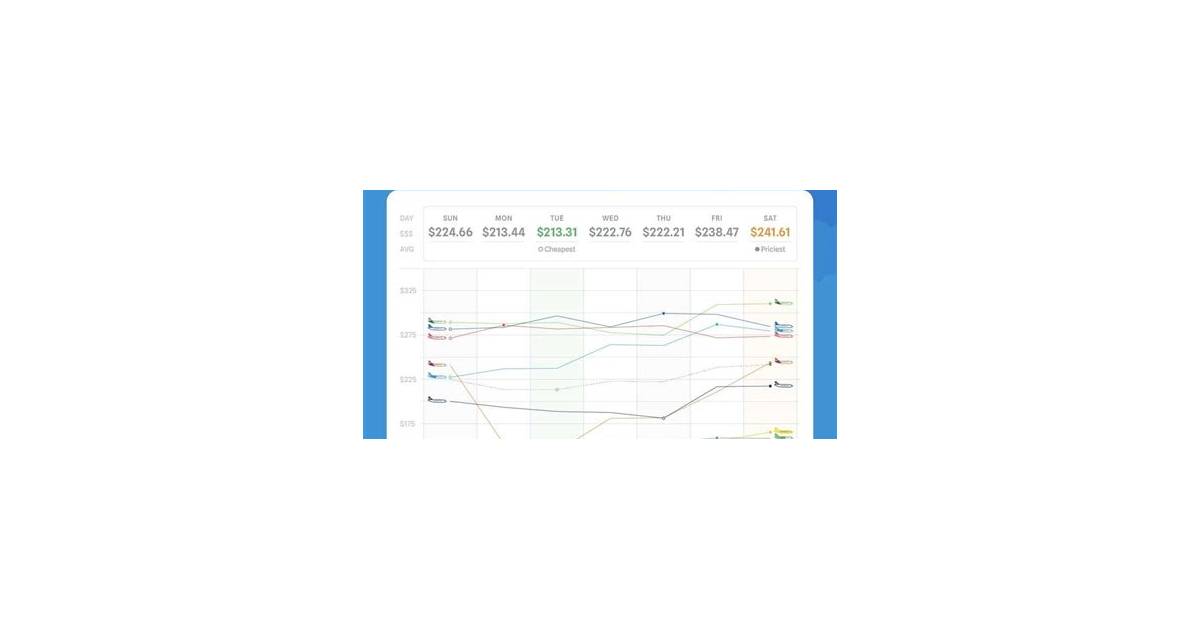
Look for fare comparison calendars on airline and hotel sites, which sometimes flag cheaper 3-4 day windows each month. Another tip: Tuesday afternoons occasionally feature flash sales for flights departing the following Tuesday through Wednesday.
Alternative destinations stretch your budget
Swapping marquee cities for nearby alternatives may reduce costs without sacrificing experiences. Valencia instead of Barcelona or Milan Bergamo rather than Malpensa could lower prices by roughly 40%, based on industry data. Some substitutes to consider:
- Regional hubs with budget airline service (Kraków over Warsaw)
- Destinations with new flight routes (discounted introductory fares often apply)
- Locations in shoulder season (Portugal during March, Japan in November)
This approach works best when you prioritize activities—whether beaches, museums or hiking trails—over specific landmarks. Since hotel rates fluctuate more than airfare, lock in your flight first before finalizing accommodations.
Loyalty perks often beat bundle discounts for frequent travelers
Although flight-hotel bundles appear convenient, travelers holding elite status or sitting on stockpiled points typically find greater value booking separately. Airline and hotel loyalty schemes provide advantages—from complimentary upgrades and waived fees to extra points—that bundled packages simply don’t include.
Take a Marriott Bonvoy Gold member planning a four-night stay: Their status ensures late checkout, potential room upgrades, and a 25% boost in points earned—all forfeited if booking through a third-party bundle. Airline elite members likewise preserve benefits like priority boarding and free checked luggage only by reserving directly.
- Points multipliers: Direct bookings frequently earn 3-5x points compared to just 1x through online travel agencies
- Elite night credits: Bundled stays often don’t contribute toward status qualification
- Flexibility: Modifying or canceling one reservation independently of the other
One exception: When loyalty programs package their own deals—such as Delta Vacations or IHG’s Points & Cash offers—these can blend perks with slight savings. Always weigh them against separate redemptions.
How to Compare Bundled vs. Separate Bookings
Bundled flights and hotels can save money, but only if you compare them properly against booking separately. Start by pricing the exact same flights and accommodations individually, then check whether the bundle offers extras like transfers or breakfast that would cost extra otherwise.
Step 1: Match the details
Most bundle discounts disappear if you compare different tiers. A bundled 3-star hotel with a budget airline seat isn’t cheaper than booking a 3-star separately with a premium economy ticket—it’s just worse. Note cancellation policies too: bundles often have stricter rules.
Step 2: Check hidden costs
Bundles may exclude baggage fees or resort charges that affect the final price. Check the final booking page for both options. A “$899 all-inclusive” deal that adds $120 in mandatory fees might cost more than a $950 separate booking with transparent pricing.
Step 3: Value flexibility
Bundles lock you into one provider’s inventory. If your ideal hotel is sold out on the bundle site but available elsewhere, paying slightly more for separateness buys choice. Conversely, bundles win when you prioritize convenience—like having a single point of contact for changes.
Tip: Use private browsing mode when comparing. Some travel sites adjust prices based on your search history.
Tools and Websites for Comparison
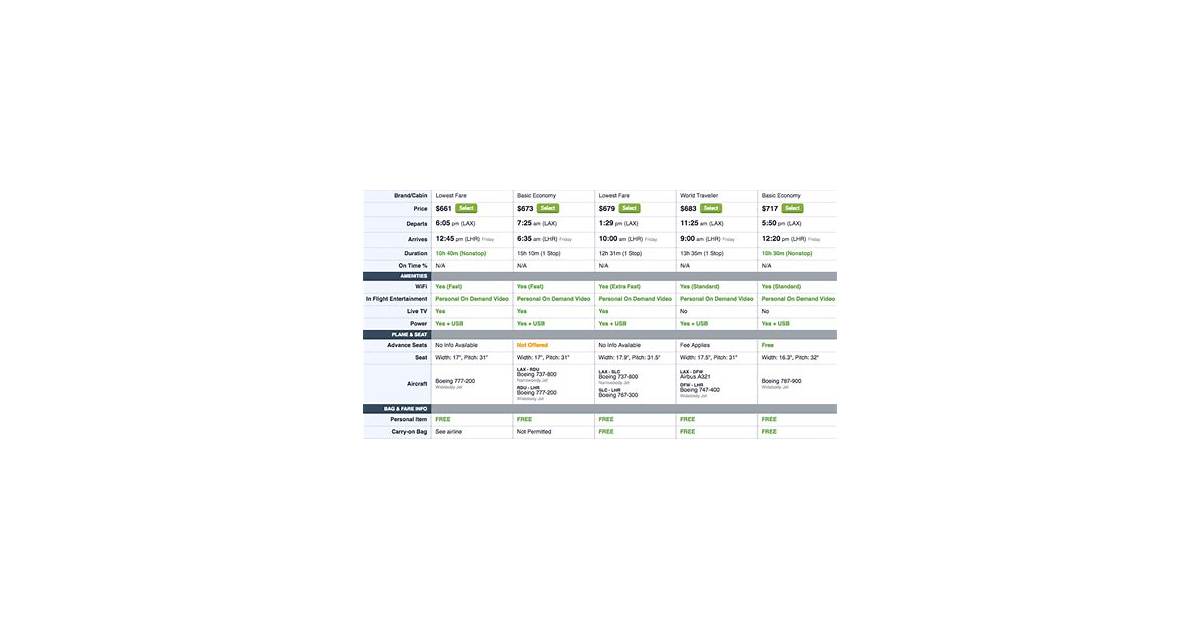
The easiest way to compare bundled deals with separate bookings is to use dedicated travel comparison tools. These platforms let you see price differences instantly, saving you hours of manual research.
Google Flights can be a useful starting point. While it doesn’t offer bundles directly, its flexible date search and price tracking may help you find lower-cost days to fly, which you can then pair with hotel deals elsewhere.
For true bundle comparisons, try Kayak or Expedia. Both allow you to search for flight + hotel packages while also letting you price out the same components individually. Kayak’s “Bundles” tab is particularly intuitive, showing savings at a glance.
If you’re focused on budget travel, Skyscanner is worth a look. It aggregates deals from multiple providers, including lesser-known OTAs, which often have competitive rates for both bundled and separate bookings.
For niche options, consider Priceline’s Express Deals or Hotwire’s Hot Rate. These tools offer discounted bundles without revealing the specific hotel or airline until after booking, which can lead to significant savings if you’re flexible.
Factors to Consider Beyond Price
Flight and hotel bundles frequently offer savings, but the cheapest option isn’t always the best choice. Cancellation policies vary dramatically—some deals lock you into nonrefundable bookings, while others permit adjustments for a modest fee. That extra flexibility could be worth the additional cost if your itinerary isn’t set in stone.
Don’t overlook bundled perks either. Free meals, airport transfers or property credits included in packages might cost hundreds separately. Run the numbers: what seems like a minor price difference could translate to substantial extras when you factor in everything included.
Reliable customer support deserves consideration too. When travel plans go sideways, responsive assistance becomes invaluable. No amount of upfront savings makes up for being abandoned with booking issues at the worst possible moment.
Tips for Finding the Best Flight and Hotel Deals
To look for savings, compare bundled deals with separate bookings and consider tools like price alerts and flexible date searches. Bundling can save time and money, but it may not always be the cheapest option—particularly if your travel dates are flexible or you’re staying at a budget hotel.
Start by checking aggregator websites that allow you to compare bundled packages against standalone flight and hotel prices. Look for discounts on mid-range or luxury accommodations, as these often offer the most significant savings when bundled. For budget stays, booking separately might be cheaper since flights are often the bulk of the cost.
Using flexible date searches may help identify lower-cost days to fly and stay. Many platforms let you view prices across a range of dates, so you can adjust your itinerary if your schedule allows. This approach could lead to savings.
Setting price alerts for both flights and hotels can help track price changes. Some tools notify you when bundle deals become available for your destination. This may be useful if you’re planning ahead and can wait for potential deals.
Finally, consider loyalty programs and travel credit cards. Points or discounts from these can sometimes offset the cost of separate bookings, making them a better deal than a bundle. Always check the terms to ensure you’re maximizing your rewards.
Book flights 6-8 weeks out, hotels closer to departure
The sweet spot for flight prices typically hits 6-8 weeks before departure, based on airline pricing algorithms. After this window, last-minute fares often spike – especially for popular routes. Hotels, however, frequently drop prices within 2-4 weeks of check-in to fill empty rooms, though this carries risk during peak seasons or major events.
Off-peak travel means more flexibility
Shoulder seasons (spring/fall in most destinations) give you wider booking windows with less price volatility. In winter resort towns or summer beach spots, waiting risks limited availability alongside higher costs. Midweek stays often see deeper discounts than weekends, particularly for business-oriented hotels.
Set price alerts for both components
Tools like Google Flights or Hopper track airfare trends and predict optimal booking times. For hotels, aggregate sites like Trivago scan rates across platforms. Watch for:
- Airlines launching seasonal sales (typically January and September)
- Hotel chains offering “secret prices” to loyalty members
- Package deals that appear 3-5 months pre-trip, then disappear
Discounts and promo codes can slash bundle costs, but timing and strategy matter
Package-specific promo codes may deliver deeper savings than generic travel discounts. Seasonal bundle deals sometimes appear on sites like Expedia and Pricestone – subscribing to their newsletters 3-4 months before your trip could help catch early alerts. Flash sales often hit during Black Friday and January.
Before applying any code, verify the bundle’s true value by pricing components separately. Some so-called discounts combine mediocre hotels with inflated flight costs. Prioritize:
- Percentage discounts (some vendors advertise up to 40% off bundles) over fixed-amount offers
- Coupons valid across multiple travel dates
- Combinable deals like loyalty points plus promo codes
For optimal deal hunting, browse in incognito mode or clear cookies beforehand. When codes fail online, calling customer service often reveals unadvertised vouchers that bypass website limitations.
Who Is Is It Cheaper To Bundle Flight And Hotel For?
Bundling flight and hotel makes the most financial sense for travelers who prioritize convenience over customization and are flexible with their dates and destinations. If you’re booking a straightforward trip to a popular tourist spot during off-peak seasons, bundles often offer significant savings compared to booking separately. Families and groups, in particular, benefit from bundled deals, as they lock in prices for multiple travelers at once.
However, bundling isn’t ideal for travelers who need specific accommodations or flights. If you’re staying in a boutique hotel or require a particular airline, you’ll likely save more by booking each component individually. Similarly, frequent travelers with loyalty points or rewards programs might find better value by leveraging their perks instead of opting for a package.
Business travelers and those planning complex itineraries should also avoid bundles. These trips often require precise scheduling, direct flights, or premium upgrades—details that bundled packages rarely accommodate. For them, flexibility and customization outweigh the potential savings of a package deal.
Is it cheaper to bundle flight and hotel?
Bundling your flight and hotel often saves money because travel providers discount packages to fill seats and rooms. The real savings come from locked-in rates during peak seasons when hotels hike prices for standalone bookings.
JetBlue Vacations and Delta Stays sometimes offer 20-30% off retail prices when bundling—particularly on routes with excess capacity according to the vendors. Booking this way may also help avoid dynamic pricing where searching flights separately could lead to fare increases.
Watch for hidden costs though. Some bundles force inconvenient flight times or distant hotels to hit price points. Always compare the package against booking components individually, including:
- Baggage fees (bundles often include checked bags)
- Resort charges (some hotels waive them in packages)
- Change policies (bundles may have stricter rules)
The best deals surface when your travel dates are flexible. Midweek departures and shoulder-season packages typically offer the steepest discounts.
Pricing and Plans
Combining flight and hotel bookings often leads to significant savings, though the exact discount varies based on your chosen provider, destination, and travel dates. For popular destinations in peak seasons, many packages offer exclusive discounts unavailable when booking separately. But not every bundle is a bargain—sometimes you’ll find better rates by booking components individually.
Dynamic pricing means travel costs change constantly based on demand, availability, and timing. This makes bundled deals particularly advantageous for last-minute trips or destinations where accommodations are expensive. A New Year’s package to Paris, for example, could save you hundreds compared to separate flight and hotel reservations.
With providers offering different packages, always verify current pricing through their official websites. Many bundles include hidden perks like complimentary airport transfers or breakfast. Just remember to check cancellation policies—package deals usually have stricter terms than individual bookings.
Benefits of Bundling Flights and Hotels
Bundling your flight and hotel can save you money and simplify planning, especially for last-minute trips or destinations with high hotel rates. Travel providers often offer discounts for packages because they can fill rooms and seats simultaneously, passing some of those savings to you.
Beyond cost savings, bundling reduces the hassle of coordinating separate bookings. You’ll get a single confirmation number for both your flight and hotel, making it easier to manage changes or cancellations. This is particularly useful for travelers who prefer a streamlined experience over piecing together itineraries.
Many bundled deals also include perks like free breakfast, airport transfers, or room upgrades—amenities that would cost extra if booked separately. For families or groups, these add-ons can make a significant difference in both comfort and budget.
Key Takeaways
- Combining flights and hotels often lowers costs, particularly for last-minute trips or high-season travel, though you’ll have less flexibility.
- Run the numbers—while packages seem appealing, compare separate flight and hotel rates to verify you’re getting the better deal.
- Independent bookings typically work better for hostel stays or when maximizing frequent traveler benefits.
- Google Flights, Kayak, and Expedia provide tools to quickly evaluate package deals versus separate purchases.
- Adjusting travel dates or considering alternate locations can dramatically reduce costs when reserving accommodations and flights independently.
Frequently Asked Questions
Is it cheaper to book a flight and hotel separately?
While package deals are convenient, booking components individually sometimes yields better prices if you catch airline seat sales or hotel promotions. The key is running the numbers both ways – sometimes loyalty points or last-minute offers tip the scales toward separate bookings, especially if you’re flexible with timing.
What is the best way to bundle a flight and hotel?
Start by checking specialized travel aggregators against direct offers from hotels and airlines. The sweet spot often lies in packages with adaptable policies (free cancellations, adjustable dates) or added perks like meals and transport. Off-season bookings and membership discounts frequently unlock the most value.
Is it better to book a flight and hotel together or separately?
Combined bookings streamline planning and may cut costs for spontaneous travelers, but piecing things apart gives you control over flight schedules and room types. Those staying longer or with particular accommodation needs often benefit from separating the bookings – though it pays to price-check both scenarios.
Who has the cheapest flight and hotel packages?
Major players like Expedia and Priceline dominate with volume discounts, while niche agencies like CheapOair sometimes undercut them. Remember that ‘cheapest’ varies by destination and dates – always verify final pricing on the provider’s site before committing.
Conclusion
Bundling airfare and accommodations can yield savings, especially during busy seasons or at in-demand locations—though your exact discount depends on your itinerary. Packages work best when you prioritize simplicity over customization, as they typically lock you into predetermined schedules. Those who prefer flexibility may get more value arranging flights and hotels independently.
Always cross-check package prices against booking components separately. Sometimes membership perks or specialized travel sites beat the bundled rates. Read the fine print too: what looks like a bargain might come with rigid change policies or unexpected charges.

Similar Posts
























[…] whether it is better to book flights and hotels separately can cost or save you hundreds. While travel sites push bundled deals as […]
[…] unlocks hidden discounts that disappear when purchased separately. If you’ve ever wondered why is it cheaper to book flight and hotel together, you’re about to discover how travel companies reward […]
[…] Package deals often save money, but not always. Knowing when to bundle flights and hotels—versus booking them separately—makes all the difference. […]
[…] depending on factors like data allowances, plan duration, and regional coverage. Airalo offers budget-friendly options, with plans that may start at lower prices in Europe. Nomad may offer bulk data discounts, which […]
[…] for less than many people spend on a city break. If you're working out the airfare side, combining airfare and accommodation can sometimes beat booking each piece separately — but only when the dates are […]
[…] you're planning a longer trip, this is the kind of set that pairs naturally with the booking strategies we cover for bundling airfare and lodging, since one outfit can cover more of your […]