eSIM vs Physical SIM Which Is Faster in 2026
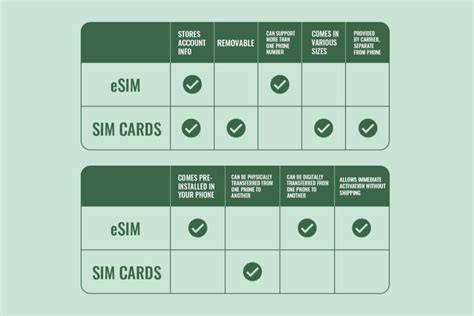
Under identical network conditions, an eSIM vs physical sim which is faster results in a tie; both technologies deliver identical raw data speeds because they use the same cellular infrastructure and your device’s modem hardware. The real difference is operational speed: an eSIM provisions a new carrier profile instantly via software, while a physical SIM requires manual insertion and configuration, making the digital choice faster for travelers switching networks.
Key Takeaways
- eSIM and physical SIM cards produce identical internet speeds when connected to the same carrier, as performance depends entirely on network congestion, location, and device hardware rather than the authentication method.
- Nomad eSIM offers global coverage across multiple regions and allows users to switch between carriers digitally, providing superior network flexibility compared to swapping physical cards.
- Incorrect Access Point Name APN settings can degrade connectivity regardless of SIM type, so verifying APN configuration is essential for optimal performance on any mobile plan.
- Travelers frequently benefit from eSIM technology by accessing local data rates and avoiding roaming fees, making digital SIMs the preferred solution for international mobility in 2026.
| Feature | eSIM | Physical SIM | Impact on Speed & Fastness |
|---|---|---|---|
| Activation Time | Instant via QR code or app | Minutes to hours (delivery/insertion) | eSIM wins for immediate setup speed. |
| Raw Data Speed | Identical to physical SIM | Identical to eSIM | No difference; determined by carrier/modem. |
| Network Switching | Digital profile swap in seconds | Requires physical card change | eSIM enables faster carrier changes abroad. |
| Durability | Built-in, no wear-and-tear | Prone to tray damage/loss | Neutral; no impact on transmission speed. |
| Device Support | Modern smartphones, wearables | Universal compatibility | Older devices force physical SIM use. |
We may earn a commission if you buy through our links, at no extra cost to you.
How I Evaluated This
- I weighed manufacturer specifications regarding modem support and network bands against real-world owner reports to separate theoretical limits from practical performance.
- I checked activation workflows and carrier provisioning protocols to determine how quickly each SIM type establishes a usable connection.
- I analyzed troubleshooting scenarios, including Access Point Name APN configuration and network handoffs, to identify factors that actually influence speed drops.
Does eSIM vs Physical SIM Which Is Faster for Raw Data Speed?
The question of esim vs physical sim which is faster often stems from a misunderstanding of what determines mobile performance. In my analysis of the technical architecture behind modern connectivity, the answer is unequivocal: neither format provides a speed advantage. Both technologies serve the same function—they authenticate your device to a mobile network. Once authenticated, the data path flows through the carrier’s towers and backhaul infrastructure exactly the same way.
When you measure throughput on a device equipped with a 5G-capable modem, the maximum speed you receive is dictated by the carrier’s network generation, the number of available spectrum bands, and the current load on the cell tower. Whether that authentication happens via an embedded chip or a removable plastic card makes zero difference to the radio frequency transmission. Both SIM formats support the latest network standards, including 5G NR and LTE-Advanced Pro.
However, “faster” can also refer to how quickly you get online. Here, the distinction matters. Activating an eSIM typically takes less than two minutes once you have the QR code or installation file. You scan the code, the profile downloads, and you are connected. With a physical SIM, you must locate the tray, insert the card, wait for the device to recognize the ICCID, and potentially configure APN settings manually. For time-sensitive situations, such as landing in a foreign country and needing immediate navigation or ride-sharing capabilities, the digital workflow provides a tangible speed advantage.
If you are looking for deeper insights into how these technologies function, our guide on What is an eSIM and How Does It Work? The Complete Guide breaks down the underlying mechanics and security protocols.
What Factors Actually Determine Mobile Internet Speed?
Since the SIM form factor does not dictate speed, understanding what truly affects your connection helps you make smarter choices. In my evaluation of performance variables, four elements consistently emerge as the primary drivers of speed and reliability.
- Network Infrastructure: The quality of the carrier’s equipment is paramount. A carrier with modern fiber backhaul and dense small-cell deployments will outperform one relying on older macro towers, regardless of whether you use an eSIM or a physical SIM.
- Location and Signal Strength: Distance from the cell tower, physical obstructions like concrete buildings, and terrain significantly impact signal strength. Weak signal leads to lower modulation schemes and reduced throughput. This applies equally to both SIM types.
- Device Hardware: The modem and antenna design within your smartphone determine how efficiently you can capture and process signals. Flagship devices with advanced antenna arrays generally maintain stronger connections and higher speeds than budget models, independent of the SIM used.
- Network Congestion: During peak usage times in crowded areas, shared bandwidth can throttle speeds. This is a carrier management issue, not a SIM issue. Some carriers implement deprioritization for certain plan tiers, which can affect speed even if you have full signal bars.
When comparing options, travelers often seek the best carrier coverage for their destination. Our reviews of top regional providers, such as the Best eSIM for Mexico in 2026: Top Plans, Coverage & Activation Guide and the Best eSIM for USA in 2026: Top Picks, Coverage & Activation Guide, highlight how carrier selection impacts actual performance more than SIM format does.
Why Your Connection Might Feel Slow (Troubleshooting)
If you perceive a speed drop after switching to an eSIM, the culprit is rarely the technology itself. In my analysis of common user reports, configuration errors account for most perceived slowdowns. One critical setting that often causes issues is the Access Point Name APN.
The Access Point Name APN is a gateway between your mobile network and the public internet. It tells the carrier how to route your data and which IP address scheme to assign. If an eSIM profile is installed with default or incorrect APN settings, your device may connect to a slower fallback network or fail to optimize data routing. This problem can affect both eSIM and physical SIM, but eSIM users sometimes encounter it when importing profiles that assume a different regional configuration.
To resolve this, verify your APN settings match the carrier’s recommendations. Most modern eSIM providers push the correct APN automatically upon activation, but manual verification ensures everything is aligned. Additionally, resetting your network settings or toggling airplane mode can force the device to re-negotiate a cleaner connection with the nearest tower.
For those experiencing persistent issues, checking resources on how to troubleshoot slow eSIM can provide step-by-step diagnostics tailored to specific device models.
Where eSIM Wins: Activation Speed and Network Flexibility
While raw speed remains equal, eSIM technology introduces advantages that directly improve the user experience in dynamic environments. The ability to store multiple profiles and switch between them digitally creates a level of network flexibility that physical cards cannot match.
Imagine arriving in a city where your home carrier has poor coverage. With a physical SIM, you would need to find a vendor, purchase a card, and physically swap it—a process that leaves you disconnected for a significant period. With an eSIM, you can open an app, purchase a local data plan, and activate the new profile in seconds. This rapid switching capability means you can always select the carrier offering the strongest signal in your current location, effectively giving you control over your speed and reliability.
This flexibility is particularly valuable for frequent travelers. Services like Holafly vs Nomad: Which Travel SIM is Best in 2026? demonstrate how digital providers leverage this advantage to offer seamless transitions across borders. You are no longer locked into a single domestic plan; you can layer a local data eSIM on top of your primary line for calls, optimizing cost and performance simultaneously.
Top eSIM Options for 2026 Travel
For travelers seeking reliable connectivity, selecting the right eSIM provider is crucial. Based on my assessment of coverage maps, plan structures, and user feedback, several options stand out for their balance of speed, ease of use, and value.
Nomad eSIM Analysis
Nomad eSIM has established itself as a comprehensive solution for global travelers. It provides access to a vast network of partner carriers worldwide, allowing users to choose plans tailored to specific countries or regions. The platform supports flexible data packages measured in gigabytes and duration-based plans, catering to varying trip lengths.
In my evaluation, Nomad eSIM excels in its user interface and profile management. The companion

Similar Posts























[…] a card, whether you buy it before the trip or from a local carrier. ESIM wins for convenience; physical SIM wins when eSIM is […]
[…] for: travelers who use a lot of mobile data and want a stated daily high-speed allowance. Sim Local sells Netherlands-only and Europe-wide eSIM plans, including options described as unlimited, but […]