Travel SIM Card vs Travel eSIM: Choose in 2026
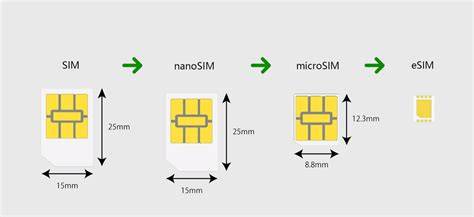
For most travelers, a travel eSIM is the better choice in the Travel SIM Card vs Travel eSIM decision when the phone is unlocked, supports eSIM, and the trip is short or crosses borders. A local physical SIM makes more sense for a destination number, an incompatible phone, or a long stay. I recommend an eSIM for data, but choose a plan with voice and texts if needed.
Key Takeaways
- A travel eSIM can be installed before departure, but it requires a compatible, unlocked phone and destination coverage.
- A physical SIM works in phones with a SIM slot and can provide a local number, calls, and texts, depending on the plan.
- Dual-SIM phones can keep a home line active while using a travel eSIM for mobile data; select the data line carefully to avoid roaming charges.
- Compare plan validity, included data, top-ups, and country coverage rather than judging travel SIM cost by the advertised starting price.
Travel eSIM or Physical SIM: Which Should You Choose?
For most short trips or itineraries across several countries, I recommend a travel eSIM if your phone is unlocked, supports eSIM, and the plan covers each destination. You can install it before flying and avoid swapping cards on arrival. Choose a physical or local SIM if your phone lacks eSIM support, you need a local number, or you expect a long stay and want local-service options.
A travel eSIM is a digital mobile plan installed on your phone; a physical SIM is a removable card. Either connects through a provider’s partner network, so the format alone does not guarantee coverage or speed. Many travel eSIM plans are data-only, while a local physical SIM may include calls, texts, and a local number.
Keep the options distinct: an international physical travel SIM is not the same as buying a SIM from a local carrier after landing, and neither is the same as using your home carrier’s roaming plan. For example, a multi-country trip may be simpler with one regional eSIM, while a longer stay that needs local calls may suit a destination SIM. Before buying, compare coverage, data allowance, validity, top-ups, phone compatibility, and whether you need a number for calls or registrations.
Travel eSIM vs Physical SIM: Side-by-Side Comparison
For a short trip, a travel eSIM is usually easier to arrange; a physical SIM is the better fit when you need a local number or your phone does not support eSIM. The right choice also depends on whether you need data only, calls and texts, or service across several countries.
Setup: A travel eSIM can be installed before departure, so you can be ready to connect after landing. A physical SIM requires inserting a card, whether you buy it before the trip or from a local carrier. ESIM wins for convenience; physical SIM wins when eSIM is unsupported.
Home number and compatibility: With a compatible phone that supports dual SIM, you can use a travel eSIM for data while keeping your home SIM active for calls or texts. A physical SIM may require removing your home SIM. Physical SIMs work in phones with a SIM slot, while eSIM use requires device support and an unlocked phone.
Coverage and features: A regional eSIM can cover multiple countries under one plan, but coverage depends on its destination list and partner networks. A local SIM may include a local number, calls, and texts; many travel eSIMs are data-only.
Cost and trip length: Compare usable data, validity, top-ups, and any activation or registration requirements, not just the advertised cost. Seven days is a common travel-plan duration, but longer stays may make a local SIM more suitable. Neither format is always cheaper; the best value depends on the destination and how much service you need.
How I Evaluated Travel eSIMs vs Physical SIM Cards
I compared travel eSIMs and physical SIM cards by setup effort, phone compatibility, destination coverage, access to a phone number, total cost, and fit for different trip lengths. I did not run my own tests.
I treated four options separately: a travel eSIM is a digital plan for use abroad; a local physical SIM is bought in the destination country; an international physical SIM is a removable card sold for use across destinations; and home-carrier roaming uses your regular plan overseas. These options can differ in network access, calls and texts, registration requirements, and how easily you can add data.
Which Is Easier to Set Up? Travel eSIM Wins
A travel eSIM is usually easier to arrange because you can install it before departure and avoid looking for a shop after landing. A physical SIM for travel requires you to obtain a card, insert it into your phone, and, for some local plans, complete registration before service starts.
With a travel eSIM, follow the provider’s instructions to install the plan. You need an internet connection to download it, so set it up at home or somewhere with reliable Wi-Fi before your trip. Check when the plan’s validity begins: installing it and starting its service may be separate steps.
A physical SIM can suit a traveler whose phone lacks eSIM support, but buying one on arrival can take time. You may need to find an open shop, show identification, or provide other details required for registration in that destination. That can be inconvenient after a late flight or when you want data immediately.
The eSIM setup advantage applies only if your phone supports eSIM and is unlocked for use with another provider. If either condition is missing, the installation may fail or the plan may not work. For a compatible, unlocked phone, I recommend installing the eSIM while you still have Wi-Fi, then selecting it as the mobile-data line when you are ready to use it.
Which Makes It Easier to Keep Your Home Number? Travel eSIM Wins
A travel eSIM usually makes it easier to keep your home number active because it can share a dual-SIM phone with your existing physical SIM. You can use the travel plan for mobile data while leaving your home line available for calls and texts, depending on your phone and carrier support. A travel eSIM may be data-only, so it does not replace your home number.
To avoid unexpected roaming charges, select the travel eSIM as the line for cellular data and turn off data roaming for your home SIM. Also disable automatic mobile-data switching if your phone has that setting; otherwise, it could use the home line when the travel connection is weak. Apple explains how to choose a data line in its guide to using Dual SIM with an eSIM.
Keeping the home line active does not make every call or text free. Your carrier may charge for roaming calls, and your home plan’s terms determine how incoming texts are handled. Delete.
Winner: Travel eSIM for travelers with a compatible dual-SIM phone who need their home number reachable. A physical travel SIM can still provide data, but replacing the home SIM may make that number unavailable until you put it back.
Which Is More Convenient for Multi-Country Trips? Travel eSIM Wins
A regional travel eSIM is usually easier for a trip through several countries because one plan can cover multiple listed destinations without changing the SIM at each border. For example, a traveler visiting Thailand and Turkey can use one regional plan if it includes both countries, rather than buying separate local SIMs.
A physical local SIM is generally tied to the country where it was purchased. It may still work abroad through roaming, but that can mean extra charges or a separate roaming package. An international physical SIM is another option, though its supported destinations and plan terms also need to match the itinerary.
The convenience of a travel eSIM depends on its coverage list, not just the word “regional” or “global.” Check that every destination is included and review the available partner networks; a plan does not guarantee coverage or the same service in every location. Also compare the total data allowance and validity period with your trip. A single plan can simplify border crossings, but it may not suit a long stay in one country as well as a local plan.
Winner: Travel eSIM for multi-country trips when one plan covers every stop. A physical SIM may be more practical if the itinerary is limited to one country or a local number is essential.
Which Offers a Local Number and Destination-Specific Service? Physical SIM Wins
A local physical SIM is the stronger choice when you need a destination phone number for calls, texts, bookings, or services that require local contact details. It can also suit a long stay, especially if you want a plan sold directly by a local carrier rather than a short-term travel plan.
A physical SIM for travel is not always a local SIM: an international travel SIM may connect abroad without providing a number from the country you visit. A local SIM may require an in-person purchase or identity documents, and registration rules differ by destination. Allow time for setup if you need the number immediately.
Many travel eSIMs are data-only, so they provide internet access but not a local number or standard cellular calls and texts. That is enough for maps and internet-based messaging, but it may not meet a requirement for local calls or text verification. Check the plan’s included services and destination list; an eSIM does not guarantee access to every local network.
For example, on a trip to Thailand or the UAE, choose based on whether you need a local number and what the available plans include, not the SIM format alone. Travel eSIM cost also depends on allowance and validity, so compare the full plan rather than assuming one option is cheaper. Winner: Physical SIM when local-number access or destination-specific services are essential.
Which Works on More Phones? Physical SIM Wins
A physical SIM does not require built-in eSIM hardware or software support. If your phone has a SIM slot and is unlocked for another carrier, you can usually insert a compatible travel or local SIM; an eSIM requires a supported device and may also be restricted by carrier lock or regional model differences.
Check the exact model number, not just the phone family name. Two versions of the same iPhone or Android phone can differ by market, and eSIM availability may not match across them. Look up eSIM support for your precise model on the manufacturer’s site, then check the phone’s settings for an option to add an eSIM. On iPhone, this is under Settings > Cellular or Mobile Service; Android menus vary by manufacturer.
An unlocked phone matters for both options: a carrier-locked device may reject a SIM or eSIM from another provider. Ask your carrier whether the phone is unlocked before departure, and check the travel plan’s supported devices and destination coverage before buying. A physical SIM is not a workaround for a carrier lock.
Winner: Physical SIM for travelers with older phones or uncertain eSIM support. The trade-off is that a physical SIM still needs a working card slot, while eSIM avoids swapping cards on compatible, unlocked devices.
Which Costs Less? Local Physical SIMs Often Win for Long Stays
A local physical SIM can suit a long, single-country trip, while a travel eSIM can suit a short visit or a multi-country itinerary. Compare the total cost for the data you will actually use, not just the advertised starting price.
Travel eSIM plans commonly use 7-day or 30-day validity periods. Match the plan duration to your trip: unused data or days may not carry over, and an extension or top-up can change the total travel eSIM cost. For a local SIM, include any activation fee and the cost of enough data for the full stay. A low-cost allowance is poor value if you need to buy several top-ups.
Home-carrier roaming is a separate option, not the same as buying a local SIM. Include its daily charges or roaming package in your comparison, and avoid accidental roaming on your home line when another SIM handles data.
For a quick trip, an eSIM may be worth paying more for if it lets you get online without finding a shop or arranging a physical card. For several countries, compare the eSIM’s included destinations and validity with the cost and inconvenience of buying separate local SIMs. Prices change by destination, provider, and plan, so compare current offers on equal data and validity.
Winner: Local physical SIM for a long stay in one country; travel eSIM for convenience on short or multi-country trips.
Travel eSIM: Pros, Cons, and Verdict
A travel eSIM is the more convenient choice for travelers with an unlocked, eSIM-compatible phone who want mobile data ready soon after landing. You can install its digital profile before departure, but activation requires an internet connection, and the plan may cover only selected countries or provide data without calls and texts.
A travel eSIM suits short trips and itineraries across multiple countries, especially when avoiding a shop visit or swapping cards matters more than getting a local number. Before buying, check the destination list, plan validity, data allowance and whether voice service is included. Keep your home SIM active for calls or texts if your phone supports dual SIM, and set the travel eSIM as the data line to avoid unintended roaming charges on your home plan.
- Can be installed before departure while you have internet access
- Avoids removing or carrying a physical SIM card
- One plan can cover multiple listed destinations
- Requires an unlocked phone that supports eSIM
- Data allowance and validity limit how long the plan lasts
- Many travel eSIMs provide data only, not a local number or traditional calls
My verdict: I recommend a travel eSIM for a short or multi-country trip when your phone is compatible and data access is the priority. I would choose a physical SIM instead if you need a local number, your phone cannot use eSIM, or the plan’s coverage and data limits do not fit the itinerary.
Physical SIM for Travel: Pros, Cons, and Verdict
A physical SIM is a removable card inserted into your phone; for travel, it may be an international travel SIM or a SIM bought from a mobile provider at your destination. I recommend a local SIM when you need a destination phone number or local calls and texts, but buying one can take time after arrival.
- Works with phones that have a SIM slot, including models without eSIM support
- A local SIM may provide a local number, calls, and texts
- Can be moved between compatible phones without an internet connection
- You need to obtain and insert the card, which may mean finding a shop after landing
- Switching cards can make your home SIM harder to access until you swap it back
- Some destinations require identification or in-person registration
Before buying, check whether the SIM covers every destination on your itinerary and whether its data allowance and validity match your stay. A local plan may suit a longer visit, but compare the total cost, including any top-ups and registration requirements. For a short trip, the time spent finding and activating a SIM can outweigh a small difference in plan cost.
My verdict: I recommend a local physical SIM for travelers whose phones lack eSIM support, who need a local number, or who will stay long enough to make local service worthwhile. I would skip it when arriving connected matters more than local calls or number access.
Choose a Travel eSIM or Physical SIM for These Trip Situations
Choose a travel eSIM when your phone is unlocked and supports eSIM, you want data as soon as you land, or your itinerary crosses borders. For example, a regional plan can avoid buying and swapping separate SIMs during a multi-country trip. The trade-off is that coverage and included countries depend on the specific plan.
Choose a physical or local SIM if your phone does not support eSIM, you need a destination phone number, or you are staying long enough for a local plan to make sense. A local SIM can suit a longer stay that involves local calls or texts, but buying it may require an in-person visit or registration. A SIM for travel should match your trip length and data needs, not just its advertised allowance.
Before choosing either option, check that your phone is unlocked and compatible, then review the plan’s destination coverage, data allowance, validity, and call or text inclusions. If using both a home SIM and a travel eSIM, set the travel line for mobile data and disable data roaming on your home line to avoid unintended charges. A compatible phone does not guarantee service in every destination, so compare the plan’s covered countries and network access with your itinerary.
Final Verdict
Travel SIM Card vs Travel eSIM comes down to convenience, phone compatibility, and whether you need a local number. I recommend a travel eSIM as the default for travelers with an unlocked, compatible phone who want data ready on arrival, need to keep their home number available, or are visiting more than one country. Its main trade-off is that plans may be data-only, and coverage depends on the destinations and networks included.
Choose a physical SIM if your phone does not support eSIM, you need a destination-specific number for calls or texts, or a local plan suits a longer stay. Buying one can take more effort, and local registration requirements may apply. A physical SIM also does not automatically mean a local plan: international SIMs and home-carrier roaming are separate options, each with its own coverage and charges.
For either choice, compare the usable data, validity, top-up options, and coverage across your itinerary rather than relying on an advertised starting price. My verdict: I would choose a travel eSIM for most short or multi-country trips, and a local physical SIM when a local number, phone compatibility, or long-stay value makes it the better fit.
Sources and Further Reading
- using Dual SIM with an eSIM (support.apple.com)
Related reading:
Frequently Asked Questions
Can I use a travel eSIM and a physical SIM at the same time?
A travel eSIM and a physical SIM can work together when the phone supports dual SIM and is unlocked. Keep the physical SIM active for calls or texts on your home number, and select the travel eSIM for mobile data. Turn off data roaming on your home line to reduce the risk of roaming charges.
Can I keep my regular number while using a travel eSIM?
A travel eSIM can provide mobile data while your regular number stays on your physical SIM, if your phone supports both lines and your carrier keeps the home line active abroad. Set the travel eSIM as the data line. Calls and texts on your home number may still incur carrier charges.
Do I need Wi-Fi to install a travel eSIM?
A travel eSIM usually needs an internet connection to download and install, so set it up before departure while you have reliable Wi-Fi. If installation must wait until arrival, airport Wi-Fi can help, but you will not have mobile data through that eSIM until installation and activation are complete.
How do I know if my phone supports eSIM?
A phone supports eSIM only if its specific model and regional version include eSIM capability. Check the manufacturer’s specifications or the phone’s cellular settings, then make sure the device is unlocked and your chosen plan supports it. A model name alone may not settle compatibility because regional versions can differ.
Is a travel eSIM cheaper than a local SIM?
Neither option is always cheaper: travel eSIM cost depends on the destination, data allowance, validity, and top-up options. Compare the total usable data for your trip with local SIM costs, including any activation or registration requirements. A local plan may suit a long stay; an eSIM can be convenient for a shorter visit.
Do travel eSIMs work in every country?
Travel eSIMs do not all cover every country or use the same partner networks. Check that each destination on your itinerary is included in the specific plan and review its network access. A regional plan can simplify a multi-country trip, but coverage in one country does not guarantee coverage in another.
Can I make calls and send texts with a data-only travel eSIM?
A data-only travel eSIM does not provide a regular phone number for cellular calls or SMS texts. You can use internet-based calling and messaging apps over its data connection, including WhatsApp, which can keep working with your existing account. For local calls or texts, choose a plan that explicitly includes them or use a local SIM.

Similar Posts
























[…] and be unlocked to use a travel plan. Tethering, calls and SMS depend on the specific plan. Many travel eSIMs are data-only, so they may not replace your regular number or home SIM’s voice service. Keep your […]
[…] Travel SIM Card vs Travel eSIM: Choose in 2026 […]
[…] the new line. Name it “Costa Rica” or “Travel” so you can distinguish it from your home SIM in phone settings. If installation alone starts validity, install closer to departure. If validity […]