What is an eSIM and How Does It Work? The Complete Guide
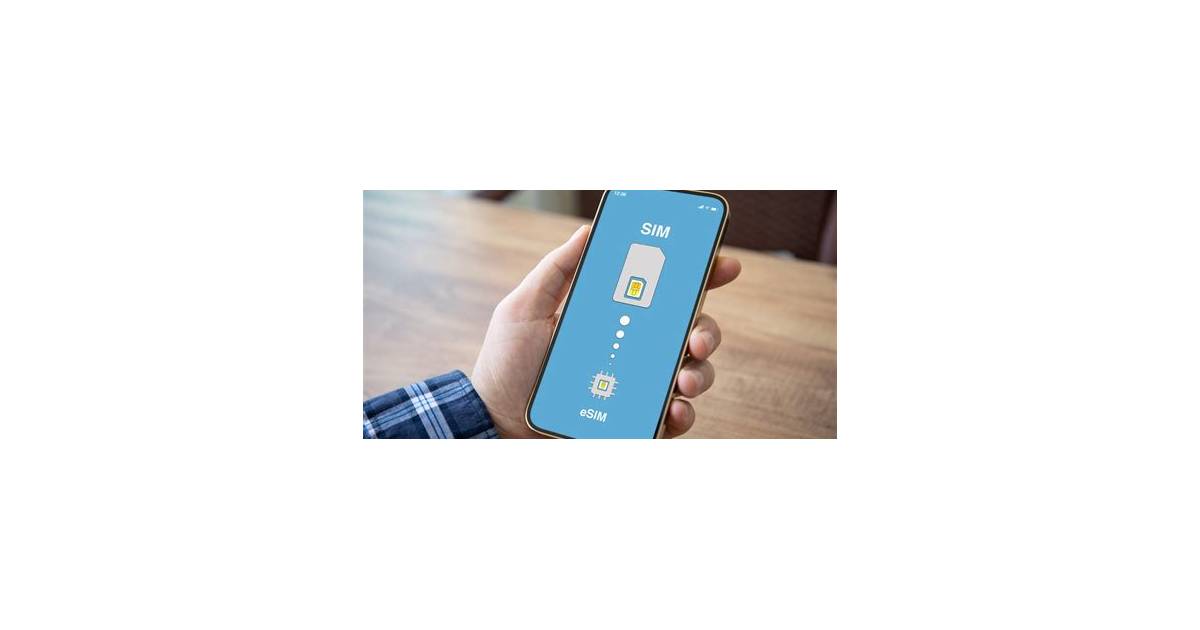
Ever found yourself juggling multiple SIM cards while traveling or switching carriers? An eSIM could be the solution you’ve been looking for. An eSIM, also called an embedded SIM, is a digital version of a SIM card that enables cellular plan activation without a physical card. If you’re wondering what is an eSIM and how does it work, this guide will cover the basics, how they function, and why they’re transforming mobile connectivity globally.
What is an eSIM?
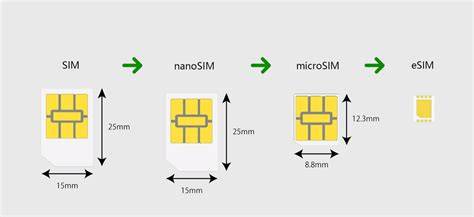
An eSIM is a small chip embedded in your device that performs the same functions as a traditional SIM card. Unlike physical SIM cards, eSIMs are reprogrammable, meaning you can switch carriers or plans without swapping cards. This technology is increasingly being adopted in smartphones, tablets, and even smartwatches.
eSIMs store carrier profiles digitally, allowing you to activate a cellular plan by scanning a QR code or entering details manually. This eliminates the need for a physical SIM tray, freeing up space in devices for other components like larger batteries or additional sensors. However, not all devices support eSIM technology, so compatibility should be verified before purchasing.
One key advantage of eSIMs is their flexibility for travelers. Instead of purchasing local SIM cards in each country, you can download multiple carrier profiles and switch between them seamlessly. This can save time and reduce costs, though international roaming fees may still apply depending on your plan.
For users who frequently switch carriers or travel internationally, eSIMs offer convenience and efficiency. However, if you prefer the simplicity of a single carrier or rarely travel, a traditional SIM card might still suffice. Always check your device’s settings or consult the manufacturer to confirm eSIM support and setup requirements.
How Does an eSIM Work?
An eSIM works by storing your carrier’s information digitally. When you activate a plan, the carrier sends a QR code or a digital profile to your device. Your device then downloads this profile, and you’re connected. No physical card is required, and you can switch plans directly from your device settings.
To set up an eSIM, ensure your device supports eSIM technology and is unlocked. Most carriers provide detailed instructions, but the process typically involves scanning a QR code or manually entering activation details. Some devices allow you to store multiple eSIM profiles, enabling quick switching between carriers or plans without needing to swap physical cards.
One key advantage of eSIM compatibility is its flexibility for travelers. Instead of purchasing local SIM cards, you can activate a local plan directly on your device. However, not all carriers or regions support eSIMs, so it’s wise to verify availability beforehand. Additionally, while eSIMs simplify switching carriers, some users may find the setup process less intuitive than inserting a physical SIM.
If your device doesn’t support eSIMs or you prefer a more traditional approach, a physical SIM card remains a reliable alternative. For those who value convenience and plan to switch carriers frequently, an eSIM can streamline the process and reduce the hassle of managing multiple cards.
eSIM vs Physical SIM: Key Differences
Flexibility
One of the biggest advantages of an eSIM is its flexibility. You can switch carriers or plans without needing a new SIM card. This is particularly useful for frequent travelers or those who like to switch providers often.
Space Efficiency
Since eSIMs are embedded in your device, they save physical space. This allows manufacturers to design slimmer devices or use the extra space for other components.
Global Coverage
With an eSIM, you can easily add a local data plan when traveling internationally. This eliminates the need to purchase a local SIM card, making it a convenient option for globetrotters.
Benefits of Using an eSIM
Convenience
Switching carriers or plans is as easy as scanning a QR code. No need to visit a store or wait for a physical SIM card to arrive in the mail.
Multi-Device Support
An eSIM allows you to have multiple profiles on a single device. This means you can have separate lines for personal and business use without needing multiple phones.
Environmental Impact
Since eSIMs eliminate the need for plastic SIM cards, they are a more environmentally friendly option.
eSIM Compatibility and Devices
Most modern smartphones, including the latest iPhones and Android devices, support eSIM technology. To check if your device is compatible, look for eSIM support in your device settings or consult your carrier. While flagship models from Apple, Samsung, and Google typically include eSIM functionality, budget or older devices may lack this feature. If your phone doesn’t support eSIM, you might consider upgrading to a newer model or using a traditional SIM card as an alternative.
Before switching to an eSIM, ensure your carrier offers eSIM activation for your specific device. Some carriers may restrict eSIM use to certain plans or regions, so it’s essential to verify this beforehand. Additionally, while eSIMs simplify switching between carriers, they may not be as widely supported in all countries, which could be a limitation for frequent travelers. For those planning to use eSIM for travel, research international carrier options and confirm compatibility with your destination.
Activating an eSIM typically requires scanning a carrier-issued QR code or inputting setup information manually. This process is straightforward but requires a stable internet connection. Keep in mind that once activated, switching back to a physical SIM may involve additional steps, so weigh the convenience of eSIM against your specific needs.
How to Set Up and Install an eSIM
Setting up an eSIM is generally quick, but preparation ensures a smooth process. Before starting, confirm your device supports eSIM technology and that your carrier offers eSIM activation. Most carriers provide a QR code or manual setup details via email or their app. Ensure you have a stable Wi-Fi connection, as interruptions can delay activation.
On iPhone
- Go to Settings > Cellular.
- Tap Add Cellular Plan.
- Scan the QR code provided by your carrier.
- Follow the on-screen instructions to complete the setup.
For iPhones, eSIM setup is integrated into iOS, making it user-friendly. However, if you’re traveling internationally, verify that your carrier’s eSIM supports roaming in your destination. Some users prefer dual SIM setups, combining a physical SIM for local use and an eSIM for travel.
On Android
- Go to Settings > Network & Internet > Mobile network.
- Tap Add carrier.
- Scan the QR code provided by your carrier.
- Follow the on-screen instructions to complete the setup.
Android eSIM setup varies slightly by manufacturer, so check your device’s specific instructions. Some Android models allow multiple eSIM profiles, enabling you to switch between carriers without physical SIM cards. Keep in mind that not all Android devices support eSIM, so confirm compatibility before proceeding.
After activation, test your eSIM by making a call or using mobile data. If issues arise, contact your carrier’s support team. While eSIMs offer flexibility, they may not suit everyone—those who frequently switch devices or prefer physical SIM cards for backup might find traditional SIMs more practical.
eSIM Use Cases
Travel
An eSIM is perfect for travelers. You can easily add a local data plan without the hassle of swapping SIM cards.
Everyday Life
For those who switch carriers often, an eSIM offers unparalleled convenience. You can switch plans directly from your device settings.
Remote Work
An eSIM allows you to maintain separate lines for personal and business use, making it ideal for remote workers.
eSIM Security and Privacy
Encryption
eSIMs use advanced encryption to protect your data. This ensures that your carrier information is secure. The encryption protocols are similar to those used in traditional SIM cards but are enhanced to prevent unauthorized access during profile downloads and activations.
Potential Risks
While eSIMs are generally secure, there are some risks, such as unauthorized profile downloads. To mitigate this, only download profiles from trusted sources. Additionally, ensure your device’s software is up to date to patch any vulnerabilities. If you lose your device, remotely wipe the eSIM profile to prevent misuse.
Device Compatibility
Not all devices support eSIM technology. Before switching, verify that your smartphone or tablet is eSIM-compatible. Older models may require a physical SIM card, which could limit your ability to benefit from eSIM’s security features.
Alternative: Physical SIM Cards
If you’re concerned about eSIM risks, a physical SIM card remains a viable option. While less convenient for switching carriers, physical SIMs are less susceptible to remote hacking and offer a straightforward, tangible security measure.
eSIM for Specific Regions
India
In India, eSIM technology is gaining traction. Most major carriers offer eSIM support, and it’s becoming a popular option for travelers and tech enthusiasts alike. eSIMs are particularly useful for those who frequently switch between local and international networks, as they eliminate the need for physical SIM swaps. However, compatibility varies by device and carrier, so it’s essential to verify support before purchasing a plan. For travelers, eSIMs can simplify connectivity by allowing you to download a local profile without visiting a store, though some carriers may require in-person activation for security reasons. An alternative to eSIMs in India is using a prepaid physical SIM, which remains widely available and often cheaper for short-term use.
Impact of eSIM on Battery Life
Efficiency
An eSIM is designed to be energy-efficient because it eliminates the need for a physical SIM slot, reducing power consumption associated with hardware components. In most cases, it won’t significantly impact your device’s battery life, especially when compared to traditional SIM cards. However, if you frequently switch between multiple eSIM profiles, the activation process may cause minor battery drain.
Optimization Tips
To optimize battery life, ensure your device’s software is up to date, as updates often include improvements for eSIM functionality. Limit background processes that consume power, such as unnecessary app refreshes or location services. Additionally, if you’re using eSIM for travel, consider disabling unused profiles to prevent background network scanning.
Trade-offs
While eSIMs generally improve efficiency, some older devices may experience slightly higher battery usage due to less optimized eSIM integration. If battery life is a critical concern, verify your device’s compatibility with eSIM technology before switching. For users prioritizing battery longevity, sticking with a physical SIM might be a simpler option, especially in regions where eSIM support is limited.
FAQs About eSIMs
How Does an eSIM Work Without an Internet Connection?
An eSIM stores your carrier’s information locally, so it doesn’t require an internet connection to function.
Can You Convert an eSIM Back to a Physical SIM?
No, an eSIM cannot be converted back to a physical SIM. Once activated, it remains digital.
Does an eSIM Drain Your Phone Battery?
An eSIM is designed to be energy-efficient and generally does not drain your phone battery.
What is eSIM Technology and How Does It Work?
eSIM technology involves a digital SIM card embedded in your device, allowing you to switch carriers or plans without needing a physical card.
eSIM Safety
An eSIM is as secure as a physical SIM card, with added protection against physical tampering. Integrated directly into your device, an eSIM provides enhanced security over physical SIM cards that can be misplaced or taken. However, it still shares some vulnerabilities with physical SIMs, such as potential SIM swapping attacks if your carrier’s security is compromised.
One advantage of eSIMs is their ability to store multiple profiles securely. If your device is lost or stolen, you can remotely wipe the eSIM data, something you can’t do with a physical SIM. This makes eSIMs a safer option for frequent travelers or those who carry sensitive information.
That said, eSIMs rely heavily on carrier security. If your carrier’s systems are breached, your eSIM profile could still be at risk. For this reason, some users prefer dual-SIM devices, using a physical SIM for critical accounts and an eSIM for temporary or secondary lines.
If you’re concerned about security, choose a carrier with strong encryption and two-factor authentication for account access. Always monitor your account for unusual activity, especially after activating a new eSIM profile.
Examples
An eSIM lets you switch carriers without swapping physical SIM cards. For example, a frequent traveler could activate a local data plan on arrival in Germany, then switch back to their home carrier when returning to the U.S., all from their phone’s settings menu. No need to hunt down a SIM card vending machine or risk losing a tiny plastic chip.
For families, eSIMs simplify device sharing. Instead of ordering multiple SIM cards for tablets and smartwatches, you can activate each device remotely. This works particularly well with Apple’s Family Sharing, where one account manages multiple eSIM-enabled devices.
Not every device supports eSIMs. While newer iPhones, Google Pixels, and Samsung Galaxy models do, budget phones often stick with physical SIMs. If your phone lacks eSIM support, or if you prefer the simplicity of swapping physical cards, a traditional SIM might still be your best option.
How eSIM Technology Works: The Technical Details
An eSIM (embedded SIM) is a programmable chip soldered directly into your device, eliminating the need for a physical SIM card. Unlike traditional SIMs, which store carrier information on a removable card, eSIMs hold this data in a secure, reprogrammable digital format. This allows you to switch carriers or plans without swapping physical cards.
When activated, the eSIM communicates with your mobile network using a unique identifier called the eUICC (embedded Universal Integrated Circuit Card). Networks authenticate the eSIM by downloading a digital profile—essentially a virtual SIM card—directly to the chip. This profile contains all the necessary credentials for connecting to the carrier’s network, including encryption keys and service details.
One key advantage of eSIMs is their flexibility. You can store multiple carrier profiles on a single chip and switch between them as needed, making them ideal for frequent travelers or those who juggle personal and work lines. However, not all devices or carriers fully support eSIMs yet, and some users may prefer the simplicity of a physical SIM for its universal compatibility.
For example, imagine you’re traveling internationally. With an eSIM-enabled phone, you can download a local carrier’s profile before landing, avoiding expensive roaming fees. If you’re unsure about eSIM compatibility, check your device’s settings or consult your carrier—some still require physical SIMs for certain plans.
Lack of focus on eSIM technology in specific regions like India
While eSIM adoption grows globally, regions like India lag behind due to infrastructure and regulatory hurdles. Major carriers in India have only recently begun supporting eSIMs, and availability remains limited to premium smartphones and select plans. This slow rollout contrasts sharply with countries like the US and UK, where eSIMs are widely used for travel, IoT devices, and dual-SIM setups.
In India, eSIMs are primarily used by international travelers who need temporary data plans abroad. Local users often stick to physical SIMs because they’re cheaper and easier to manage across multiple devices. Rural areas face additional challenges, as many feature phones and budget smartphones still lack eSIM compatibility.
For Indian consumers, a dual-SIM phone with one physical SIM and one eSIM slot offers a practical compromise. This setup lets you use a local SIM for calls and texts while activating an eSIM for international roaming or a secondary data plan. However, switching eSIMs can be cumbersome with limited carrier support, and not all devices allow simultaneous activation of both SIMs.
Until India’s telecom ecosystem matures, eSIMs will remain a niche solution for specific use cases rather than a mainstream option. If you’re in India and unsure about eSIMs, sticking with a physical SIM for now is often the simpler choice.
eSIMs in IoT Devices: Beyond Smartphones
While eSIMs are often associated with smartphones, they’re transforming how IoT (Internet of Things) devices connect to cellular networks. In contrast to conventional SIM cards, eSIMs integrate directly into devices, conserving space and allowing remote setup—a major advancement for IoT implementations.
Smart meters, industrial sensors, and fleet tracking systems are prime examples. A logistics company, for instance, can equip its vehicles with eSIM-enabled trackers, updating carrier profiles remotely as trucks cross borders. This eliminates the need to swap SIM cards manually, reducing downtime and operational costs.
However, eSIMs aren’t always the ideal choice. For IoT devices in remote areas with limited carrier support, a physical SIM could offer more flexibility. Consider your device’s location and connectivity needs before deciding. While eSIMs can provide scalability and ease of management, they require compatible hardware and carrier support, which may add complexity to smaller projects.
eSIM definition
An eSIM (embedded SIM) is a built-in digital SIM that eliminates the need for a physical plastic card in your device. Unlike traditional SIMs, you activate it by scanning a QR code or downloading a carrier profile—no need to swap cards when changing providers or traveling. Most modern smartphones, tablets, and smartwatches support eSIM, though budget models often skip it.
The trade-off? eSIMs make switching carriers effortless, but not all carriers support them yet. If you frequently travel to regions with spotty eSIM coverage (like rural areas in some countries), keeping a physical SIM as backup avoids headaches. For example, a business traveler might use an eSIM for their primary plan but pack a local prepaid SIM for remote work trips.
Technically, eSIMs use the same GSMA standards as physical SIMs—just in a rewritable format. Your device stores multiple profiles (e.g., work and personal numbers), though only one can be active at a time. The real advantage isn’t the tech itself, but what it enables: instant carrier swaps, dual-SIM setups without a tray, and thinner device designs.
How eSIM Technology Works Behind the Scenes
An eSIM is a tiny chip embedded directly into your device, replacing the physical SIM card. Unlike traditional SIMs, which store carrier data on a removable card, eSIMs hold this information digitally and can be reprogrammed remotely. This means no more swapping SIM cards when you switch carriers or travel internationally.
Communication between your device and the carrier happens over secure protocols. When you activate an eSIM, your device sends an encrypted request to the carrier’s server, which provisions the necessary network credentials directly to the chip. This process, known as remote SIM provisioning, allows you to switch carriers without needing a physical card.
The embedded nature of eSIMs offers durability and space efficiency—no tray or slot is needed, freeing up room for other components. However, it also means you can’t easily remove the SIM if your device breaks or you want to transfer it to another phone. For users who frequently swap devices, a traditional SIM might still be the better choice.
Imagine traveling to Europe and needing a local data plan. With an eSIM, you can download a carrier profile in minutes, avoiding the hassle of finding a store or dealing with lost SIM cards. Yet, if your phone doesn’t support eSIM or the carrier lacks eSIM compatibility, you’ll need to rely on a physical SIM as a fallback.
No Clear Timeline of eSIM Adoption Across Different Regions
eSIM adoption varies widely by region, driven by factors like carrier policies, device availability, and consumer demand. While Europe and North America lead in adoption, many regions still rely heavily on physical SIM cards due to infrastructure limitations or slower carrier support.
In Europe, eSIMs are widely supported by major carriers, and the technology is common in devices like smartphones and smartwatches. North America follows closely, with Apple and Google integrating eSIMs into their flagship devices. However, in regions like parts of Asia and Africa, adoption lags due to slower carrier rollout and limited device compatibility.
For travelers, eSIMs offer a convenient way to switch carriers without swapping physical cards, but this is only practical in regions with robust eSIM support. In areas where adoption is low, carrying a physical SIM as a backup may still be necessary. Until global infrastructure catches up, eSIM usage will remain uneven, with regional availability shaping its practicality.
Minimal Coverage of eSIM Limitations in Real-World Scenarios
While eSIMs offer convenience, they can struggle in areas with poor network infrastructure or limited carrier support. Rural regions often have fewer carriers offering eSIM compatibility, leaving users with fewer options for connectivity. If you’re traveling to remote locations, a physical SIM card from a local provider might still be the more reliable choice.
Carrier restrictions also play a role. Some networks still limit eSIM activation to specific devices or plans, which can be frustrating if you’re switching phones frequently. For example, certain prepaid plans or older devices may require a physical SIM, even if the carrier supports eSIMs elsewhere.
In a practical scenario, imagine you’re hiking in a rural area with spotty coverage. Your eSIM-enabled phone might fail to connect to the nearest tower, while a local physical SIM could provide better access. Always check carrier compatibility and network coverage maps before relying solely on an eSIM for critical trips or remote work.
Setup and Installation
Setting up an eSIM involves scanning a QR code or entering an activation code provided by your carrier. Unlike physical SIM cards, there’s no need to handle a tiny chip or wait for delivery. Most modern smartphones support eSIMs, including recent models from Apple, Samsung, and Google.
Pros include instant activation and the ability to switch carriers without swapping cards. However, not all carriers support eSIMs, and some may charge extra for the convenience. If your phone doesn’t support eSIM or your carrier lacks compatibility, a traditional SIM card remains a reliable alternative.
For example, if you’re traveling internationally, you can download a local carrier’s eSIM profile before arriving, avoiding roaming fees. Just ensure your phone is unlocked and compatible with eSIM technology.
Using eSIM for International Travel
An eSIM simplifies international travel by eliminating the need for physical SIM cards and reducing roaming costs. Instead of swapping SIMs or paying exorbitant fees, you can download a local data plan directly to your device. This is particularly useful for frequent travelers or those visiting multiple countries.
Setting up an eSIM for travel involves purchasing a plan from a provider that supports eSIMs, scanning a QR code, and activating the plan. Most modern smartphones support eSIMs, but you’ll want to confirm compatibility with your device before departure. Providers like Airalo and Holafly specialize in international eSIM plans, offering options for specific regions or global coverage.
The benefits are clear: instant activation, no physical SIM to lose, and often lower costs compared to traditional roaming. However, eSIMs may not be ideal for long-term stays or areas with limited eSIM provider coverage. In such cases, a local physical SIM might still be the better choice.
Imagine landing in Tokyo: instead of hunting for a SIM card vendor, you activate your pre-purchased eSIM while waiting for your luggage. Within minutes, you’re connected to a local network with data tailored to your trip. eSIMs provide unmatched convenience and flexibility for travelers.
Technical depth on eSIM activation
An eSIM is activated when your carrier sends a digital SIM profile directly to your device. Unlike a physical SIM card, this profile is downloaded over-the-air and stored in a secure chip embedded in your phone. The process begins with scanning a QR code or entering an activation code provided by your carrier, which triggers the download. Once installed, the eSIM profile functions just like a physical SIM, allowing you to connect to the carrier’s network.
The eSIM chip uses a technology called Remote SIM Provisioning, which enables carriers to update or replace SIM profiles without requiring physical access to your device. This is particularly useful for switching carriers or adding multiple lines to a single device. However, not all carriers support eSIM, and some may charge a fee for activation or require you to visit a store for setup.
One alternative to eSIM is a dual-SIM phone, which allows you to use both a physical SIM and an eSIM simultaneously. This setup is ideal for travelers who want to keep their primary number active while using a local SIM for data. Keep in mind that eSIM activation relies on a stable internet connection, so if you’re in an area with poor connectivity, a physical SIM might be more reliable.
For example, if you’re traveling internationally, you could purchase an eSIM plan from a local carrier before you arrive. Once you land, your phone may connect to the network without swapping SIM cards. This convenience has the caveat that eSIMs aren’t universally supported, so verifying carrier compatibility is essential before relying on this technology.
What to Expect with eSIM Costs and Pricing Plans
eSIM pricing varies widely depending on your carrier, region, and data needs. Some providers offer pay-as-you-go plans, while others include eSIM activation in their standard subscriptions. Unlike traditional SIM cards, there’s usually no physical card fee, but activation charges or premium plans may apply.
For frequent travelers, international eSIMs can be a cost-effective alternative to roaming charges. These plans often provide regional or global data packages at a fraction of the cost of traditional roaming. However, local carriers may still offer cheaper rates for long-term use.
Before committing, check whether your device supports eSIM and confirm the specific pricing details with your provider. Some carriers allow you to switch between multiple eSIM profiles, which can be useful for balancing costs across personal and business use.
eSIM disadvantages
While eSIMs offer convenience, they come with limitations that may make them less ideal for certain users. One major drawback is device compatibility—not all phones, tablets, or laptops support eSIM technology. If your device lacks this feature, you’re stuck with a traditional SIM card or need to upgrade your hardware.
Another challenge is switching carriers. While eSIMs simplify the process of downloading a new profile, some carriers make it difficult to transfer or deactivate an eSIM. You might face delays or need to contact customer support to resolve issues, which can be frustrating if you’re traveling or in a hurry.
Storage capacity is also a concern. Unlike physical SIM cards, eSIMs can store only a limited number of profiles—typically between five and ten, depending on the device. If you frequently switch between carriers or use multiple profiles, you might hit this limit quickly and need to delete older ones.
For travelers, eSIMs can be a mixed blessing. While they eliminate the need for physical SIM cards, not all carriers in every country support eSIM activation. In regions where eSIM adoption is low, you might find yourself unable to get local service without a physical SIM.
If these limitations are dealbreakers, consider sticking with a traditional SIM card or using a hybrid solution—some devices allow you to use both an eSIM and a physical SIM simultaneously. This setup gives you flexibility without fully committing to eSIM technology.
Practical Uses of eSIMs for Travelers, Students, and Remote Workers
An eSIM shines in scenarios where flexibility and convenience matter most—international travel, studying abroad, or remote work. Unlike a physical SIM, it lets you switch carriers or plans without hunting for a local store or swapping cards. This is especially useful when crossing borders frequently.
International Travel
For travelers, an eSIM eliminates the hassle of buying local SIM cards. You can activate a regional data plan before landing, ensuring connectivity as soon as you arrive. Some providers offer multi-country plans, ideal for trips across Europe or Southeast Asia. If you’re on a tight itinerary, this saves time and avoids the frustration of navigating foreign purchase processes.
Studying Abroad
Students living abroad for months or years benefit from the ease of switching plans without changing their phone number. If your host country’s carrier offers poor coverage or high rates, you can switch to a better option mid-semester. Some eSIM providers also cater to budget-conscious students with affordable long-term data packages.
Remote Work
Digital nomads and remote workers often juggle multiple plans for voice and data. An eSIM lets you maintain a work number for calls while using a local data plan for internet access. This setup is cleaner than carrying two phones and ensures you’re always reachable, no matter where your work takes you.
One caveat: not all phones support eSIMs, and coverage varies by provider. Before committing, check compatibility and read reviews for the carrier or plan you’re considering. If eSIMs aren’t an option, a dual-SIM phone with a physical SIM card can achieve similar flexibility, though with slightly more hassle.
Insufficient Information on eSIM Disadvantages and Limitations
While eSIMs offer convenience, they come with limitations that might make traditional SIM cards a better fit for some users. One major drawback is device compatibility — not all smartphones, tablets, or wearables support eSIM technology, especially older models. If your device doesn’t support it, you’re stuck with a physical SIM or forced to upgrade.
Switching carriers can also be more cumbersome with an eSIM. Unlike a physical SIM, where you can simply swap cards, eSIMs often require you to contact your provider for a new QR code or activation process. This can be frustrating when traveling or in areas with limited connectivity.
Another limitation is multi-device management. While eSIMs allow storing multiple profiles, switching between them isn’t always seamless. Some devices limit the number of active profiles, and managing them can feel clunky compared to swapping physical SIM cards.
For users who frequently lose or damage their devices, eSIMs pose a unique challenge. A lost phone with an eSIM means you can’t just transfer the SIM to another device — you’ll need to go through your carrier to reactivate it, which can take time.
A physical SIM might still be the better choice if you value simplicity, need broader device compatibility, or want the flexibility to switch carriers without hassle. For example, travelers who rely on local SIM cards abroad often prefer physical SIMs for their ease of use and immediate availability.
Using eSIMs for International Travel: Carrier Switching Made Simple
An eSIM shines when you’re hopping between countries. Instead of hunting for physical SIM cards at airports or dealing with roaming fees, you can switch carriers instantly. For example, if you’re traveling from the US to Japan, you can activate a local Japanese carrier’s plan directly on your phone before you land—no SIM card swap required.
Here’s how it works: most eSIM-compatible phones let you store multiple profiles. You can add a local carrier’s plan for each country you visit, then switch between them in your phone’s settings. Some travelers even keep their home carrier’s profile active for receiving texts while using a local profile for data.
However, eSIMs aren’t perfect for every traveler. If you’re visiting a country where eSIM support is limited, a physical SIM might still be your best bet. Also, not all carriers offer eSIMs for prepaid plans, so you’ll need to check availability in advance.
A realistic scenario: You’re on a two-week trip across Europe. Before leaving, you download eSIM profiles for carriers in France, Germany, and Italy. Each time you cross a border, you switch to the local profile—no more paying exorbitant roaming charges or hunting for SIM cards. eSIMs offer unmatched convenience and flexibility for modern travelers.
eSIMs can activate without internet, but with major carrier restrictions
Most eSIM providers require an internet connection for initial setup, but carriers like AT&T and Vodafone offer limited offline activation via QR codes or printed cards. This helps travelers landing in remote areas, but the process isn’t universally supported—Verizon and T-Mobile still mandate online verification.
Offline activation typically involves:
- Scanning a carrier-issued QR code at purchase (stores or airports)
- Manual entry of an activation code from a printed receipt
- Preloaded eSIM profiles on some dual-SIM phones bought through carriers
Avoid assuming offline activation will work. If you’re crossing borders with uncertain connectivity, a local physical SIM may serve as backup. Some iPhones allow storing multiple eSIM profiles, which can be useful for pre-loading a secondary carrier’s plan before departure.
Limited discussion on regional adoption differences
eSIM adoption varies widely by region, with some countries embracing the technology faster than others. In North America and Europe, eSIMs are now widely supported by major carriers and device manufacturers, making them a convenient option for travelers and local users alike. However, in parts of Asia, Africa, and South America, adoption remains slower due to infrastructure limitations or regulatory hurdles.
For example, while Japan and South Korea have fully integrated eSIMs into their mobile networks, some countries in Southeast Asia still rely heavily on physical SIM cards. Similarly, in regions like South Africa, eSIMs are available but often limited to premium devices or specific carriers. This disparity means travelers should verify eSIM compatibility with their carrier and destination country before relying on it.
If eSIMs aren’t supported in your region or for your device, dual-SIM phones or local prepaid SIM cards remain practical alternatives. For instance, a dual-SIM phone allows you to keep your primary number active while using a local SIM for data and calls abroad. Always check your device’s eSIM compatibility and carrier policies before assuming it will work seamlessly everywhere.
Cost comparison between eSIM and physical SIM plans
Deciding between an eSIM and traditional SIM depends on pricing, adaptability, and personal requirements. While eSIMs eliminate the need for physical cards and often support multiple profiles, pricing varies widely by carrier and region.
Major carriers typically offer eSIM plans at the same price as their physical SIM counterparts, but some providers may charge a small activation fee for eSIMs. International travelers often find eSIMs more cost-effective because they can switch between local carriers without swapping cards, avoiding roaming charges.
For occasional users or those sticking to a single carrier, a physical SIM might be simpler and cheaper upfront, especially in regions where eSIM adoption is slower. Families or small businesses sharing devices may prefer physical SIMs for their ease of transfer between phones.
Before committing, check your carrier’s eSIM support and compare activation fees, especially if you frequently switch devices or travel internationally. Some carriers also bundle eSIMs with data-only plans, which can be a better deal for tablet or secondary device users.
How an eSIM Works: The Tech Behind the Convenience
An eSIM (embedded SIM) is a programmable chip soldered directly onto your device’s motherboard, eliminating the need for a physical SIM card. Unlike traditional SIMs, which store carrier data on a removable card, eSIMs use software to download and switch between carrier profiles. This makes them especially useful for travelers or anyone juggling multiple lines.
You can enable an eSIM by scanning a QR code from your carrier or inputting the activation information manually. The device then downloads the carrier profile and stores it securely on the chip. Switching carriers is as simple as downloading a new profile—no physical card swaps required. However, not all carriers support eSIMs, so compatibility can be a limitation.
A common alternative is the dual SIM setup, where one slot uses a physical SIM and the other an eSIM. This is ideal for users who want to keep a primary number on a physical card while using an eSIM for temporary or secondary lines. For example, a business traveler might keep their home number on a physical SIM and switch between local eSIM profiles as they move between countries.
The main drawback of eSIMs is their permanence: if your device’s eSIM malfunctions, you can’t simply replace it like a physical card. Some users also find the setup process less intuitive than inserting a SIM. For users prioritizing adaptability and minimalism, eSIMs offer significant advantages.
Key Takeaways
- An eSIM is a digital SIM card embedded in your device, eliminating the need for a physical card.
- You can switch carriers or plans easily by scanning a QR code or downloading a digital profile.
- eSIMs offer flexibility, space efficiency, and global coverage, making them ideal for travelers.
- Most modern smartphones, including the latest iPhones and Android devices, support eSIM technology.
- Setting up an eSIM is straightforward and can be done directly from your device settings.
- eSIMs are secure, energy-efficient, and environmentally friendly.
Frequently Asked Questions
What is an eSIM and how does it work on iPhone?
An eSIM on an iPhone is a digital SIM card that allows you to activate a cellular plan without a physical card. You can add a plan by scanning a QR code or downloading a digital profile from your carrier.
What is an eSIM and how does it work on Android?
On Android, an eSIM functions as a digital SIM card. You can activate a cellular plan by scanning a QR code or downloading a digital profile from your carrier, all done through your device settings.
What is an eSIM and how does it work for international travel?
For international travel, an eSIM allows you to add a local data plan without swapping SIM cards. Simply scan a QR code or download a digital profile from a local carrier to get connected.
What is an eSIM card and how does it work?
An eSIM card is a digital SIM embedded in your device. It works by storing your carrier’s information digitally, allowing you to switch plans or carriers without needing a physical card.
What is eSIM technology and how does it work?
eSIM technology involves a digital SIM card embedded in your device. It works by downloading carrier profiles digitally, enabling you to switch plans or carriers without a physical SIM card.
what is saily esim and how does it work?
Saily eSIM is a digital SIM card that allows you to activate a mobile plan without needing a physical SIM. It works by downloading a profile directly to your eSIM-compatible device, enabling seamless network connectivity. Users can switch between plans or carriers easily, making it ideal for travelers or those looking for flexible mobile options. This feature needs a compatible device, and not all carriers may support it.
Can eSIMs be hacked?
eSIMs are generally secure since they use encryption and remote provisioning, but like any digital technology, they could potentially be hacked if a device is compromised. The risk is low for most users, but those concerned could disable eSIM when not in use or use a physical SIM for added security. Always download eSIM profiles from trusted carriers and keep your device’s software updated to minimize risks.
How to troubleshoot eSIM activation failures?
If your eSIM activation fails, first ensure your device is compatible and connected to a stable internet connection. Restart your device and double-check that the activation code or QR code was entered correctly. If issues persist, contact your carrier for assistance or consider using a physical SIM card as an alternative.
What does “works” mean in English?
“Works” in English means to function or operate correctly. For example, an eSIM works by storing digital SIM data on your phone instead of a physical card. This allows you to activate a mobile plan without needing a plastic SIM. If you prefer more control, you might choose a traditional SIM card instead.
What are different types of work?
There are several types of work, including full-time, part-time, freelance, contract, and remote work. Full-time jobs offer stability and benefits, while freelance or contract work provides flexibility. Remote work allows location independence, often using digital tools like eSIMs for connectivity. Each type suits different lifestyles and career goals.
Why do people work?
An eSIM is a digital SIM card built into your phone that lets you activate a cellular plan without a physical SIM. It works by downloading carrier profiles directly to your device, allowing you to switch plans or carriers easily through settings—no SIM swap needed. People use eSIMs for convenience when traveling (avoiding physical SIM purchases) or to manage multiple numbers on one device. Some may still prefer physical SIMs for wider compatibility with older phones.
Final Verdict
eSIM technology streamlines cellular network connections in a fundamentally new way. It’s perfect for travelers, tech enthusiasts, and anyone who values convenience and flexibility. With the ability to switch carriers or plans directly from your device settings, an eSIM offers unparalleled ease of use. Most modern smartphones support eSIM technology, making it accessible to a wide range of users. If you’re considering making the switch, now is the time to explore the benefits of eSIM technology and streamline your mobile experience.
Ready to experience the convenience of eSIM technology?
Affiliate disclosure: This article contains affiliate links. If you buy through them, we may earn a commission at no extra cost to you.

Similar Posts





















[…] reliable customer support is crucial, especially when traveling. Saily offers 24/7 support, ensuring that assistance is just […]
[…] Caribbean where a local SIM is still the cheapest data option. If you’ve already moved to an eSIM-only setup, that feature is dead […]
[…] This approach ensures recommendations are based on technical feasibility and user experience rather than marketing claims. For background on the technology itself, see our What is an eSIM and How Does It Work? The Complete Guide. […]
[…] you are looking for deeper insights into how these technologies function, our guide on What is an eSIM and How Does It Work? The Complete Guide breaks down the underlying mechanics and security […]
[…] both an app and email delivery options. Whichever you choose, ensure your phone is unlocked and supports eSIM technology—both Holafly and Saily provide compatibility checkers on their […]