Maldives on a Budget: A Realistic Local-Island Guide for 2026
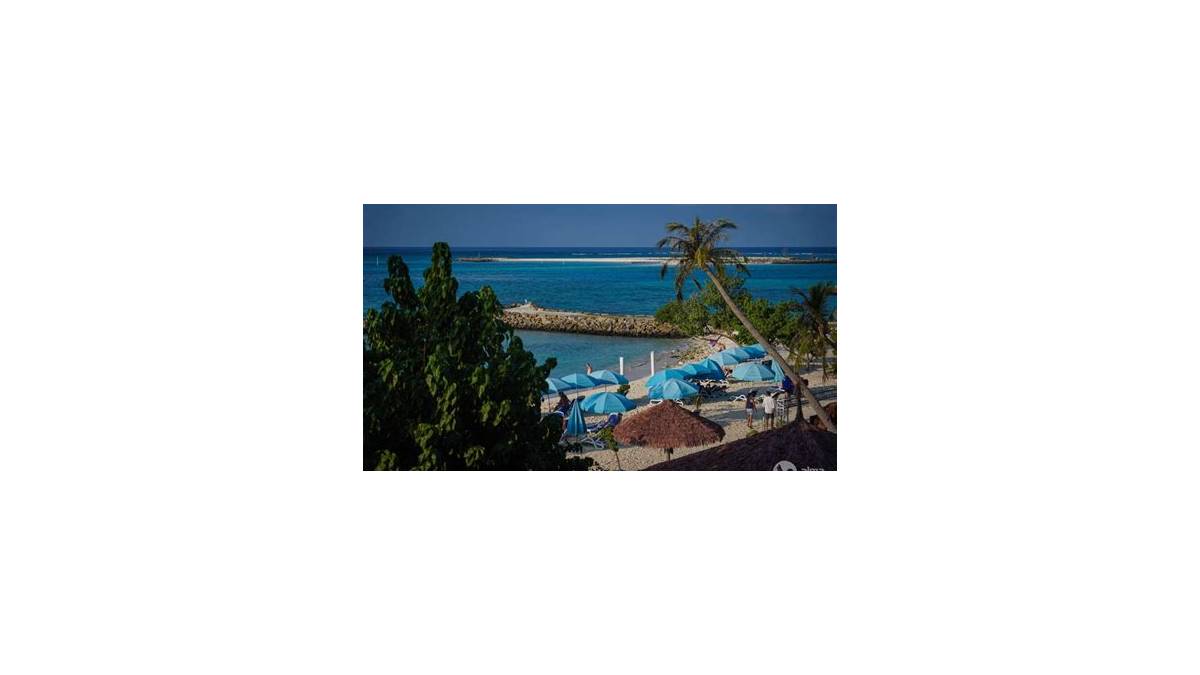
The Maldives doesn't have to be a five-figure trip. Guesthouse islands, public ferries and local cafés have turned a destination that once meant honeymoon resorts into something closer to a week in southern Europe on price — if you plan it in the right order.
The catch is that "cheap" isn't automatic. The cheap version of the Maldives fails for the same reason every time: travellers book the room first and discover the route second. A $60 guesthouse on a far atoll can cost more than a $110 guesthouse near Malé once you add the speedboat, and a "bargain" seaplane transfer can wipe out a week of accommodation savings in ninety minutes.
This guide works through the decisions in the sequence that keeps money in your pocket: the atoll, then the transfer, then the room and food. Get those three right and the rest — the snorkelling, the sandbanks, the sunsets — falls into place almost for free.
Why Budget Maldives Trips Go Wrong
There are two Maldives. One is the resort island with a seaplane on the invoice and an all-inclusive wristband. The other is the inhabited island, where families live, ferries dock and rooms rent for a fraction of the resort rate. They share a coastline and almost nothing else.
Most people find the second one too late — usually after they've already paid for the first mistake.
A common pattern in practice: a traveller books a cheap guesthouse, celebrates the nightly rate, then discovers the return speedboat costs more than three nights of the room. Or they pick four islands for a two-week trip and spend half the budget shuttling between atolls instead of enjoying them. A room rate is one line item. A route is a whole spreadsheet.
The tax layer catches people out too. Quoted rates usually exclude the tourism goods and services tax, a service charge and the green tax, so a "$70 room" often bills closer to $95 once everything is added. None of this makes the Maldives secretly expensive. It simply rewards planning order: decide the atoll, then the transfer, then the room.
Anyone who has squeezed real value out of stretching a week in Bali will recognise the logic — cheap destinations stay cheap only when you sequence the moving parts.
Local-island guesthouses sit a short walk from designated bikini beaches, not resort lagoons.
What a Guesthouse Trip Really Costs
Here is the honest picture. Planning ranges for guesthouse pricing across Kaafu, Alif Dhaal and Vaavu atolls sit in the bands below. Treat them as budgets to plan around and confirm current figures before you book.
| Cost item | Typical range |
|---|---|
| Guesthouse double room | $40–$120 per night |
| Local café meal | $3–$8 |
| Guesthouse dinner | $10–$15 |
| Snorkelling excursion | $25–$45 |
| Whale shark or manta trip | $50–$90 |
| Shared speedboat, each way | $35–$90 |
| Domestic flight, each way | $100–$200 |
Two charges sit on top of every quoted room rate. The tourism goods and services tax is currently set at 17%, and the green tax adds roughly $6 per person per night on local islands. Both are set by the Maldives Inland Revenue Authority, so verify the current rates there rather than trusting a booking site's headline price.
On the ground, most guesthouse travellers land between $80 and $150 per person per day, excluding international flights. A realistic seven-night budget for two people staying on a single island looks like this:
| Item | Cost for two |
|---|---|
| Room (7 nights, all-in) | $700 |
| Food | $350 |
| Excursions | $200 |
| Transfers (both ways) | $160 |
| Total |
That is a real week in the Maldives for less than many people spend on a city break. If you're working out the airfare side, combining airfare and accommodation can sometimes beat booking each piece separately — but only when the dates are flexible.
The Three Decisions That Set Your Budget Before You Book
Every budget Maldives trip runs through the same three choices. Take them in order and you won't overspend. Take them backwards and you'll pay to fix a mistake.
- The atoll. Distance from Velana International Airport sets your transfer cost. Close atolls mean cheap boats; far atolls mean flights, and flights mean real money.
- The transfer. Ferry, shared speedboat, domestic flight or seaplane — four prices for the same island.
- How you sleep and eat. Room only with local cafés, half board, a split stay with one resort night, or a resort day pass.
Use this filter before you commit:
- If your flight lands after mid-afternoon, plan a Hulhumalé buffer night.
- If you want two islands, confirm they share a transfer hub before booking either.
- If your room is under $60, look hard at the boat cost before celebrating.
- If you're travelling as a couple, per-room pricing helps; groups split boat costs better.
Anything that doesn't survive the filter isn't a budget trip — it's a resort trip with a discount.
Fork One: Pick Your Atoll by Transfer Cost, Not Room Rate
Start with distance, then choose the island personality that suits you. The transfer column matters more than the room column, because it's fixed and charged per person.
| Island (atoll) | Transfer, one way | Best for |
|---|---|---|
| Maafushi (Kaafu) | $35–$50 speedboat; $2–$5 ferry | First-timers, easiest logistics |
| Thoddoo (Alif Alif) | $50–$70 speedboat | Big beaches, low room rates |
| Fulidhoo (Vaavu) | $50–$60 speedboat | Quiet, nurse sharks off the harbour |
| Dhigurah (Alif Dhaal) | $60–$90 speedboat | Whale sharks, long sandbank |
| Fuvahmulah (Gnaviyani) | $150–$250 domestic flight | Tiger shark diving |
| Addu Atoll | Domestic flight + boat | Genuine escape, long stays |
Kaafu is the low-risk choice. It's close to the airport, ferries run most often and guesthouse supply is deep. You'll pay slightly more per room and save it back on boats.
Alif Dhaal and Alif Alif suit divers and snorkellers chasing whales and mantas. The speedboat costs more, and two islands in one trip gets expensive fast — pick one and stay put.
Fuvahmulah and Addu are for people with a specific reason to go. Flights there cost more than a week of accommodation, so go for the diving and stay a while.
Distance from Malé airport decides whether you pay for a ferry, a speedboat or a flight.
Fork Two: Ferry, Shared Speedboat, Domestic Flight or Seaplane
Four ways to reach an island, four very different bills.
Public ferries are the bargain. Expect $2–$5 each way for a three-to-four-hour crossing. The catch is frequency: many routes run only two or three days a week, and nothing sails after dark. Check routes directly with the state ferry operator before building an itinerary around one.
Shared speedboats are the sensible default — faster, more frequent and priced per person each way. Malé to Maafushi sits around $35–$50. Book before you fly, and sort arranging mobile data beforehand so you can confirm departure times on the ground.
Domestic flights make sense when the atoll is genuinely far: roughly $100–$200 each way, plus a boat at the far end.
Seaplanes are the one to skip on a budget. Round trips commonly land between $300 and $600 per person — that's a week of guesthouse nights for a scenic transfer.
The buffer rule saves more stress than any discount. If you land late, sleep in Hulhumalé and take the morning boat. If you're departing early, do the same on the way back. One airport-area night is far cheaper than a missed transfer and a rebooked speedboat.
Shared speedboats are the default transfer for most budget travellers.
Fork Three: Guesthouse, Half Board, Split Stay or Day Pass
Three ways to sleep and eat — the right one depends on how much of the resort picture you actually want.
Room only plus local cafés is the cheapest route. A guesthouse double runs $40–$120, and short eats at a local café cost $3–$8. Half board adds roughly $15–$25 per person per night and removes the dinner guesswork.
A split stay is the compromise most travellers end up preferring: four nights on a guesthouse island, then one resort night at the end. You get the overwater photos without paying resort rates for a week, and it usually delivers most of the experience for well under half the cost.
Resort day passes suit people who'd rather not move hotels twice. Expect $80–$150 per person, usually including lunch, pool access and sometimes drinks. Check whether the boat transfer is included — it often isn't, which can double the real price.
Island hopping is the other lever. Two nearby islands cost one speedboat leg each way; if the second shares a transfer hub, hop. If it needs a domestic flight, don't.
A day pass buys the resort pool for an afternoon without the room bill.
Getting to the Maldives Without Overpaying
International flights are the single biggest line item for most travellers, and they're also the most flexible. The Maldives is served by a mix of Gulf carriers, Southeast Asian airlines and charter-heavy seasonal routes, so prices swing widely by month and by how early you book.
Two habits reliably help. First, avoid school holidays and the December–April peak when demand pushes fares up. Second, book in a window that balances early-bird pricing against the risk of a schedule change — the smartest booking window usually sits a few months out, not six. Set fare alerts, compare a couple of routing options (via the Gulf versus via Colombo or Kuala Lumpur) and don't assume the cheapest base fare wins once baggage and a long layover are added.
If you're pairing flights with a guesthouse stay, price the package against booking separately — sometimes the bundle wins, often it doesn't once the hotel is a small independent property that doesn't appear in package inventory.
Where to Eat Cheaply on Local Islands
Food is where guesthouse travel saves quietly and consistently. Local cafés serve hedhikaa — short eats like tuna-and-coconut mas huni, fish soup (garudhiya) with rice, samosas and fried snacks — for $3–$8 a plate. A guesthouse dinner of rice, curry, fish and salad typically runs $10–$15 per person.
Breakfast is often included in the room rate and is usually a local spread plus fruit, which is a genuine saving if you eat well. Lunch at a café near the harbour is consistently the best value meal of the day.
A few practical notes. Inhabited islands don't sell alcohol outside licensed settings, and customs will confiscate anything found in your luggage, so don't plan a beach-bar budget. Self-catering is limited — most guesthouses don't provide kitchens, but a kettle and a fridge are common. And on smaller islands, the café nearest your guesthouse may close early, so eat before 7pm unless your guesthouse offers dinner.
If you enjoy this style of value hunting, getting good value up north in Thailand runs on the same principle: eat where locals eat, book the room separately, and spend on experiences rather than overhead.
A Sample Seven-Night Local-Island Budget
Here's how the numbers look in practice, for two people, one island, no domestic flights.
- Nights 1–2: Arrive, overnight in Hulhumalé if you land late, then take the morning shared speedboat to Maafushi. Settle in, swim at the bikini beach, eat at a harbour café.
- Nights 3–4: Snorkelling excursion to a nearby reef and sandbank ($25–$45 per person). One guided trip is usually enough; the rest of the time is free.
- Night 5: A day trip to a resort island for lunch and pool access ($80–$150 per person including lunch), or a second local island if it shares a boat route.
- Nights 6–7: Slow days — beach, a whale shark or manta trip if you're in the right atoll ($50–$90), and a final dinner at the guesthouse.
- Departure: Morning speedboat back to Malé, buffer time before the flight.
That structure typically lands near the $1,400 figure for two, with excursions and one resort lunch as the swing items. Swap the day pass for a second snorkel trip and you can push it closer to $1,100; add a domestic flight to a far atoll and it climbs past $2,000.
Mistakes, Money Leaks and Local-Island Rules
The tax layer is the first leak. Quoted room rates exclude the tourism goods and services tax, service charge and green tax, so a $70 room bills closer to $95. Ask for the all-in nightly figure in writing before you book.
Alcohol is the second surprise. Inhabited islands don't sell it outside licensed settings, and the rules are periodically reviewed, so confirm the current position before you book a guesthouse on the promise of a beach bar.
Modest dress applies in villages and on public ferries. Swimwear belongs on the designated bikini beach, not the main street. Reef rules are enforced, and touching or standing on coral is prohibited.
Booking traps catch people every season. Some guesthouses set minimum nights. Ferries are cancelled when the sea turns rough during the Hulhangu monsoon. A "whale shark guaranteed" tour means nothing without a sighting clause in writing.
Then there's the admin. The visa on arrival is free for 30 days for most nationalities, but you must file the Imuga traveller declaration within 96 hours of travel — do it before you leave home, not at the airport. Medical evacuation cover is worth the premium because island clinics are basic, and our guide to covering medical evacuation explains what to look for in a policy.
When to Go for the Lowest Prices
The Maldives has two seasons, and the cheaper one is the wetter one. Iruvai, from December to April, is dry, calm and expensive. Hulhangu, from May to November, brings more rain, rougher seas and noticeably lower room rates.
The best value usually sits in the changeover weeks either side of the monsoon shift, when prices dip before and after peak season. Midweek departures help too, and booking flights and rooms separately often beats a rigid package when you're staying at a small guesthouse.
One trade-off worth naming: rough seas in Hulhangu can cancel ferry crossings and speedboats. If you're on a tight schedule, the rainy-season discount is real, but build a buffer day around any transfer that matters.
Conclusion
The Maldives on a budget isn't a myth and it isn't a compromise — it's a planning order. Choose the atoll by transfer cost, lock in the boat before the room, ask for an all-in nightly rate that includes the taxes, and eat where the island eats. Do those four things and a week for two can land near $1,400 without a seaplane or an overwater villa anywhere in the itinerary.
Your next step is simple: open a spreadsheet and write down your island, your transfer cost each way, and your all-in nightly rate. If the total per day stays under $150 per person, book the boat first — everything else follows.
Frequently Asked Questions
Can you do the Maldives for under $150 a day?
Yes, on a local island. Guesthouse travellers typically spend $80–$150 per person per day covering a room, meals, one excursion and local transport, with international flights outside that figure. Choose Kaafu Atoll and skip seaplanes to stay near the bottom of the range.
Is Maafushi worth it, or too built-up?
It's worth it if logistics matter more than solitude. Maafushi has the cheapest transfers, the deepest guesthouse supply and the most restaurants — and it's also the busiest local island. Pick Thoddoo or Fulidhoo if you want quiet instead.
When is the cheapest month to go?
May and November sit around the monsoon changeover, so rates dip before and after peak season. Hulhangu (May–November) brings more rain and lower prices; Iruvai (December–April) is dry and expensive. Midweek bookings and flexible dates help further.
How much cash should you bring?
A few hundred dollars in USD covers excursions and tips. Cards work at most guesthouses and larger cafés, but smaller islands have few ATMs. The rufiyaa is pegged near 15.42 to the dollar, so carry small notes for ferries and local shops.
Do you need a visa for the Maldives?
Most nationalities receive a free 30-day visa on arrival. You must complete the Imuga traveller declaration within 96 hours before travel, and you'll need proof of accommodation and a return ticket at immigration.
Can you drink alcohol on a local island?
Not outside licensed settings. Inhabited islands are dry for practical purposes, and customs will confiscate alcohol found in luggage. If a beach bar matters to you, book a resort day pass instead of a guesthouse.

Similar Posts