Best Time to Visit South America: Month-by-Month Guide
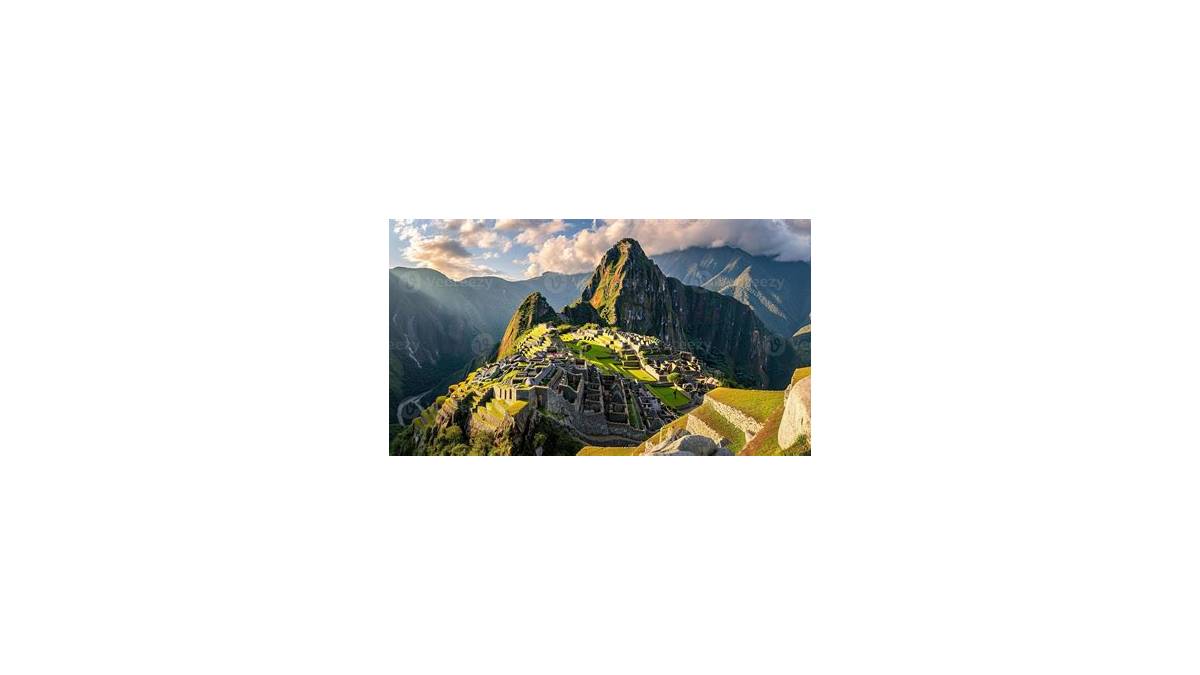
There's no single best time to visit South America, and anyone who says otherwise hasn't looked at a map. The continent runs from the Caribbean coast down to the edge of Antarctica. So July is beach weather in Rio and deep winter in Patagonia.
Pick your destination first. Then pick your month.
In our research, the hemisphere flip decides most trips. Most of South America sits below the equator, so summer runs December through February and winter runs June through August. Get that right and half your planning problems vanish.
The rest comes down to four questions and a handful of hard booking deadlines.
Best Time to Visit South America
The best time to visit South America depends on your destination. December to March suits Patagonia, Chile, and Argentina. May to September is the dry window for Peru and Bolivia.
Brazil's coast peaks between December and March. Shoulder months in April to May and September to November balance weather with price.
Why There's No Single Best Time and the Hemisphere Flip That Trips Everyone Up
The map is the problem. South America runs from about 12 degrees north latitude down to Cape Horn at 56 degrees south. That's roughly 7,500 km of latitude, and it buys you almost every climate on earth.
Colombia's Caribbean coast runs hot and humid year round. The Atacama Desert records almost no rain in any month. Torres del Paine gets wind strong enough to flatten a tent in mid-December.
Altitude scrambles the calendar further. Cusco sits at 3,400 m, La Paz at 3,650 m, and Quito at 2,850 m. A dry-season day up there can be sunny by noon, then below freezing after dark.
Pack for two seasons in one day.
The ocean adds another layer. The Humboldt Current keeps Peru's coast cool and foggy from roughly May to November. Lima's garúa drizzle is a coastal quirk, not a national one.
Meanwhile the Amazon basin 600 km inland is sitting in its dry season.
El Niño years break the rules entirely. NOAA tracks the cycle through its Climate Prediction Center, and a strong event can flip rainfall across Peru, Ecuador, and northern Brazil. Check the current outlook before you lock dates a year out.
Four Questions That Decide Your Dates Before You Look at a Single Weather Chart
Answer four things before you open a weather site. They narrow the calendar faster than any month-by-month chart.
- Which country, and which part of it? Brazil is bigger than the contiguous United States. The Amazon and the Rio coast have different rainy seasons in the same month. Get specific.
- What do you actually want to do? A trek, a festival, wildlife, a beach, wine, or a city break each points at a different window. Permits and wildlife calendars don't bend.
- What's your tolerance for crowds and cost? Peak season in Patagonia means booking refugios a year ahead. Shoulder season means rain risk and roughly half the price.
- What can't you move? School holidays, Carnival dates, Semana Santa, and family events all hard-code parts of your trip.
Here's the if/then part. If you have 10 days and want Patagonia, go December to February. If you have 10 days and want Peru, go May to September.
If you want both in one trip, you're either compromising on weather somewhere or adding weeks.
Region by Region: When Each Corner of the Continent Actually Delivers
Six regions cover most trips. Each one has its own calendar.
Peru, Bolivia, and the High Andes
May to September is the dry season and the cleanest window for Machu Picchu and the Inca Trail. Nights are bitterly cold at altitude. February closes the Inca Trail for maintenance and soaks the Sacred Valley.
Patagonia and the Southern Cone
November to March is summer down there, with long daylight and open trails. January is peak and busiest. Book Torres del Paine refugios and CONAF campsites early.
Shoulder months bring wind and rain, but far fewer people.
The Amazon and Pantanal: Dry Season Logic, Reversed
Roughly June to October is low water across much of the Amazon. Trails reopen, and wildlife concentrates near shrinking rivers. The Pantanal's dry months, around July to October, pull jaguars toward the last water.
Brazil's Coast, Rio, and Carnival Season
December to March is hot, crowded, and expensive. Carnival lands in February or early March, and prices climb hard around it. April to May and September to October are gentler on budget and patience.
Galápagos and Ecuador: Two Seasons, One Archipelago
The warm, wet season runs December to May with calmer seas. June to November is cooler and drier, with stronger upwelling and richer marine life. Both work.
Cruise pricing follows the December to March peak.
Northern Andes and the Caribbean Coast
Colombia's Caribbean coast is driest from December to April. Interior Andean cities are forgiving year round. Cartagena in October is humid and wet, so plan around it.
Peak, Shoulder, or Low Season: What You're Actually Trading
Three labels get thrown around constantly, and they don't mean the same thing in every country.
Peak season is when domestic and foreign visitors overlap. In Brazil that's December to February, when school holidays empty into the beaches. In Patagonia it's roughly mid-December to late February.
Prices and availability follow.
Shoulder season sits either side of the peak. Weather is usually still usable, permits are easier, and you'll pay less. You're trading a bit of luck on rain.
Low season is cheapest and riskiest. Wet-season Amazon travel means higher rivers and different wildlife, not a ruined trip. Low season in Patagonia means short days and closed refugios, which is a different story entirely.
| Season | Typical window | You get | You pay for it with |
|---|---|---|---|
| Peak | Dec to Feb (Patagonia), Dec to Mar (Brazil coast) | Best weather, full services | Highest rates, thin availability |
| Shoulder | Apr to May, Sep to Nov | Decent weather, fewer people | Rain risk, some closures |
| Low | Jun to Aug | Lowest rates, quiet sites | Cold or wet, reduced transport |
Most travelers get the best value in shoulder season. The trick is knowing your region's shoulder, not the continent's. Shift two to four weeks off the headline peak and accommodation costs often drop by a third.
Book-Now Items and Seasonal Shutdowns That Lock Your Calendar
Some parts of a South America trip can't be booked late. As of 2026, Inca Trail permits are capped at roughly 500 people per day, and that number includes guides and porters. Only licensed operators can pull them.
- Inca Trail permits: book 4 to 6 months ahead for June to August. None are issued in February.
- Machu Picchu timed entry: reserve the slot before you book flights.
- Torres del Paine refugios and campsites: peak December to February fills up to a year out.
- Galápagos cruise cabins: the best boats go 9 to 12 months early for December to March.
- Easter Island flights and lodges: scarce around Tapati in February.
- Carnival accommodation in Rio: expect minimum-stay rules and sharp price jumps.
- Amazon and Pantanal lodges: small capacity, so high season fills fast.
Health prep belongs here too. Yellow fever vaccination is recommended for parts of the Amazon basin, and the CDC publishes country-by-country guidance worth checking before you commit.
Timing Mistakes That Sink Otherwise Good Trips
Most South America itineraries don't fail on destination choice. They fail on dates, and the damage happens before anyone notices.
- Booking flights before permits. Inca Trail slots and Galápagos cabins vanish months ahead of any fare sale. Lock the hard item first, then the flight.
- Assuming one country means one climate. Peru alone runs three calendars: coastal fog, Andean dry season, and Amazon rainfall. Plan each leg separately.
- Confusing domestic holidays with international peak. Brazilian school holidays run December to February and fill the entire coast. That's local demand, and it hits prices hard.
- Skipping acclimatization. Give yourself 48 hours in Cusco before any trek, or you'll lose the first two days to headaches.
- Writing off the wet season. Green season brings fuller rivers, greener landscapes, and half the crowds. It's only a problem when a trail or road closes.
- Trusting a single chart. A "best month" list built for Rio will send you into Patagonian winter wearing a t-shirt.
Here's the rule that saves trips. If your dates are fixed and the region doesn't fit, change the region. Don't try to force Patagonia into July.
Swap it for the Amazon or Colombia's Caribbean coast and the same two weeks suddenly work.
Watch the edges too. The first and last weeks of any shoulder window carry the most risk. Rain arrives earlier than the charts suggest, and refugios close before the official season ends.
Your South America Timing Decision Guide
Work backwards from the thing you can't move. Permits, park beds, and festival dates are the fixed points. Weather is the flexible part, and so is your route.
| What you want | Where | Best window |
|---|---|---|
| Classic Inca Trail to Machu Picchu | Peru | May to September |
| Patagonian trekking (W or O circuit) | Chile and Argentina | November to early March |
| Amazon trails and wildlife | Brazil, Peru, Ecuador | June to October |
| Carnival | Rio, Salvador, Oruro | February (dates shift yearly) |
| Marine life and diving | Galápagos | June to November |
| Beach time on a budget | Brazil's coast | April to May, September to October |
| Clear night skies | Atacama | May to September |
| Wine harvest | Mendoza, Casablanca | March |
Run the if/then logic once and the answer usually surfaces fast.
If you want trekking and wildlife in one trip, put Patagonia in December and the Pantanal in August. Accept the long flights between them. If you're locked to July, head north to Colombia or Ecuador instead of the Southern Cone.
If you only have two weeks and one country, choose the country by season rather than the season by country. Peru in June is a well-oiled machine. Peru in February is a wet, closed-trail gamble.
Then build in slack. Two buffer days on any multi-region trip covers a washed-out road, a delayed domestic flight, or a wind day that cancels a boat.
Frequently Asked Questions
When is the best time to visit Patagonia?
November to early March is the Patagonian summer, with long daylight and open trails. January is the busiest and priciest stretch. Late November and early March give you solid weather with thinner crowds.
Park beds and campsites disappear fastest for the December to February peak.
What is the cheapest month to travel in South America?
May and September are usually the sweet spot. Both sit outside the December to February crush, rates drop, and the weather in Peru, Bolivia, and much of Brazil still holds. Deep low season in June to August is cheaper still, but Patagonia goes cold and wet.
Is it better to visit South America in December or July?
It depends entirely on where you're going. December opens Patagonia and Chile but brings heavy rain to the Amazon and steep prices to Rio. July is prime dry season for Peru, Bolivia, and the Amazon, yet it's midwinter in Patagonia with short days and closed trails.
When should I book the Inca Trail?
Book four to six months ahead for June to August departures. Daily permits are capped at roughly 500 people, and that figure includes guides and porters, so trekkers get a fraction of it. Permits are non-transferable and only issued through licensed operators.
Nothing runs in February.
What counts as shoulder season in South America?
It's April to May and September to November for most of the continent. Those windows sit either side of the December to February peak. Weather is usually workable, permits are easier to secure, and rates drop.
Your region still matters, since Patagonia's shoulder looks nothing like Brazil's.

Similar Posts
























[…] a trip across the US border, compare a Canada-only plan with any Nomad regional North America plan listed for purchase. A Canada plan does not necessarily include US […]
[…] coverage can be useful if Peru is one stop on a wider South American itinerary. A regional label does not identify which network the eSIM uses in Peru, and the 20GB […]