How to Travel Malaysia on a Budget
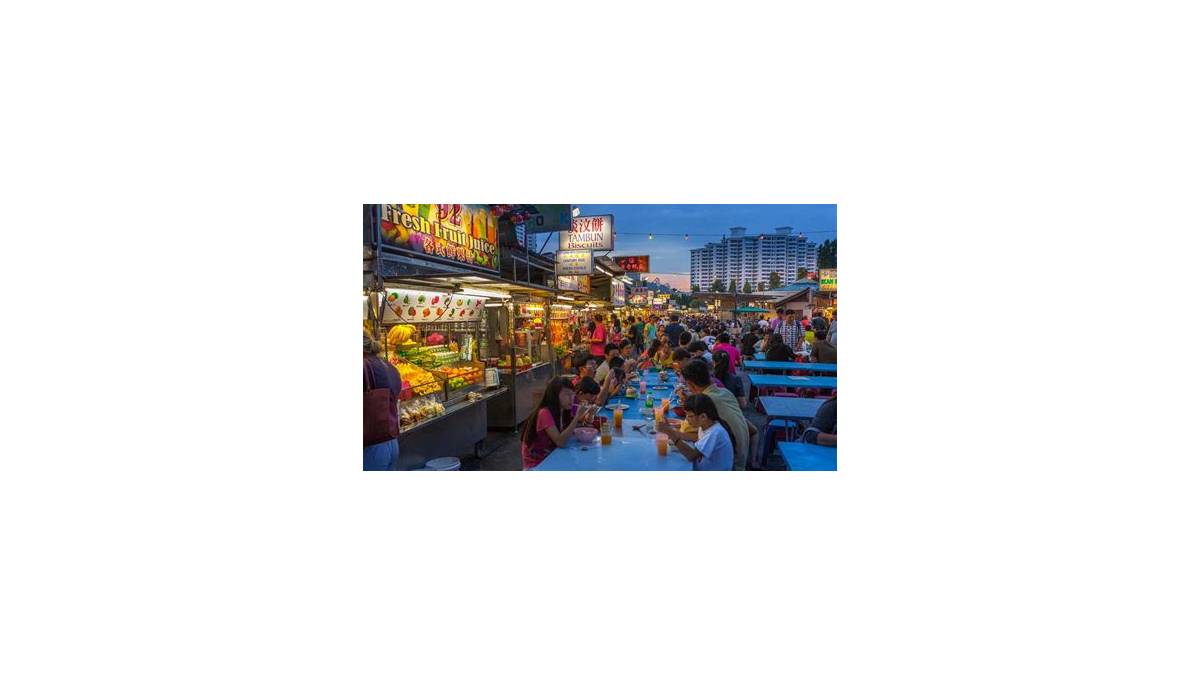
Planning a budget trip in Malaysia almost always starts with the same question: how much do you actually need per day? The honest answer is that no single number exists. A week in George Town costs less than a week in Semporna, and both cost less in March than in August.
Anyone quoting one flat daily figure is skipping the part that matters.
Our research across hostel rates, intercity fares, and hawker food pricing puts realistic daily spend between RM80 and RM250. That spread is too wide to average out. Malaysian school holidays alone can push the same room to two or three times its normal rate.
So the useful question isn't how much. It's which branch of the trip you're on.
Budget Trip in Malaysia
Plan a budget trip in Malaysia around RM80 to RM130 a day. That covers a dorm bed, hawker meals, and local transport. Add RM200 to RM400 if you fly to Borneo.
Book east-coast islands between March and October. West-coast routes work year-round.
What a Budget Trip in Malaysia Really Costs: Why One Daily Number Doesn't Work
Ask ten travellers what a day in Malaysia costs and you'll get ten answers. The number depends on where you sleep, how often you move, and what you eat. Build the plan around a tier, not an average.
| Travel style | Realistic daily spend | What it covers |
|---|---|---|
| Shoestring backpacker | RM80 to RM130 | Dorm bed, hawker meals, local buses, a couple of Grab rides |
| Budget-comfort | RM150 to RM250 | Private budget room, restaurant meals, occasional tours |
| Borneo add-on | Plus RM200 to RM400 | Return flight to Sabah or Sarawak, then ground costs |
Daily averages hide the biggest leak in any trip: the cost of moving. Every change of city eats a transfer day and a fare.
A cheap RM35 bus from Kuala Lumpur to Ipoh still costs you a night's accommodation and a meal you wouldn't have bought otherwise. Three moves in a week can quietly add RM200 to the total. Fewer bases almost always means more money left.
Fixed costs sit on top of that. Flights, travel insurance, ferry tickets, and the Tourism Tax levy are paid before you've eaten anything.
The pattern in traveller cost reports is consistent. Food and beds get planned properly. Add-ons get forgotten, and that's where the 20 to 30 percent gap shows up.
The Three Variables That Decide Everything: Season, Region, and Travel Style
Three things decide your budget before you book anything: season, region, and travel style. Get those wrong and no amount of cheap eating fixes it.
| Region | Best window | Avoid |
|---|---|---|
| West coast (Penang, Langkawi, Melaka) | December to March | April and October, when inter-monsoon rain hits |
| East coast (Perhentian, Tioman, Redang) | March to October | November to February, when boats stop |
| Borneo (Sabah, Sarawak) | January to April is driest | Rain falls all year, so plan wet-weather days |
Malaysia runs two monsoons and they hit opposite coasts. The northeast version, November to February, shuts down most east-coast island operations. The southwest version, May to September, is milder but throws short heavy squalls at Langkawi and Penang.
MetMalaysia publishes seasonal outlooks at met.gov.my if you want to check before locking dates.
Travel style matters as much as location. A dorm bed and a hawker meal on the same George Town street costs about a third of a boutique guesthouse and a sit-down dinner.
If you can move your dates, aim for the edges of each coast's season. Room rates drop and the weather still works.
Pick Your Branch: Peninsula or Borneo, West Coast or East Coast
Once you've got your numbers and your season, pick a branch. Each one has a different cost shape.
Branch A: Kuala Lumpur, Melaka, Penang, and Langkawi
If you've got two weeks and want the cheapest, easiest trip, take this one. Buses and the KTM ETS train connect everything except Langkawi, which needs a ferry or a short flight. Fares stay low and you can usually book a day ahead.
Branch B: East-Coast Islands (Perhentian, Tioman)
Only if you're travelling between March and October. Ferries to the Perhentian Islands and Tioman run on seasonal schedules and stop entirely in the northeast monsoon. Off-season the jetty is empty and the boats simply don't go.
Branch C: Sabah and Sarawak
Borneo is the branch that breaks budgets. A return Kuala Lumpur to Kota Kinabalu flight can cost more than a week of food. Fly early, travel hand luggage only, and treat Semporna or Mulu as the whole point of the trip rather than a side stop.
Branch D: One Base, Day Trips
If you've got three weeks or more, pick one city and stay put. Weekly hostel rates and monthly apartment deals in Penang or Kuala Lumpur cut the nightly cost, and day trips beat moving every two days.
If none of those quite fits, combine A and B. Do the peninsula first, then head east when the season allows.
Where the Money Goes: Dorm Beds, Hawker Meals, Intercity Legs, and the Add-Ons Nobody Budgets For
Here's the real split of where money goes on a shoestring day. These ranges were checked as of 2026, and they move with season and how far ahead you book.
| Item | Typical cost |
|---|---|
| Hostel dorm bed | RM25 to RM60 per night |
| Budget hotel double | RM80 to RM150 per night |
| Hawker meal | RM6 to RM15 |
| Local restaurant meal | RM20 to RM40 |
| Beer in a bar | RM15 to RM30 |
| Short Grab ride | RM6 to RM20 |
| Bus, Kuala Lumpur to Penang | RM35 to RM55 |
| KLIA Ekspres to KL Sentral | About RM55 |
| Domestic flight, KL to Kota Kinabalu | RM100 to RM250 |
The add-ons are where budgets go sideways. Low-cost carriers charge separately for checked bags, seat selection, and meals. A RM90 fare can double at checkout.
Cash access is another quiet cost. Foreign cards at Malaysian ATMs often carry a withdrawal fee, so take larger amounts less often. Islands and rural Sarawak still run on cash.
The Tourism Tax adds RM10 per night for foreign guests. It's small, but it's charged at check-in and rarely shows in your booking total.
Build the Trip: A Booking Workflow From First Number to Last Ferry
A sensible booking order keeps you out of trouble. Follow it roughly, not rigidly.
- Set your daily number first. Pick a tier before you pick destinations.
- Fix your dates around the season, not the other way round.
- Choose your gateway. Kuala Lumpur has the cheapest fares and the best onward connections.
- Book your first two nights only. You can adjust once you see local prices.
- Pre-book the constraint legs. Island ferry slots, Borneo internal flights, and Mount Kinabalu permits sell out.
- Sort the paperwork. Most visitors need the Malaysia Digital Arrival Card before arrival. Tourism Malaysia lists current entry requirements at malaysia.travel.
- Set up money on day one. Withdraw cash at the airport, buy a local SIM or eSIM, and link a card to Grab.
- Keep a daily spend note. A notes app beats a spreadsheet on the road.
Guard the last ferry of the day. Island boats run a few times daily at best, and a missed crossing means a charter or a lost night.
Mistakes That Quietly Blow the Budget: From Baggage Fees to Missed Ferries
Most budget blowouts aren't dramatic. They're small, avoidable, and they stack up over a week.
- Booking a "cheap" flight without baggage. Low-cost carriers price bags separately. A RM90 fare with a checked bag and a meal can land near RM200.
- Flying to Borneo mid-trip without planning. Domestic fares to Kota Kinabalu spike close to departure. If you're going, book it early.
- Scheduling an island hop in monsoon season. From November to February, east-coast ferry services stop. Confirm sailings before you commit to a bed.
- Booking the last ferry as your arrival plan. Boats run a handful of times daily and slow in rough weather. Arrive with daylight to spare.
- Taking unmetered taxis. Use Grab, or agree a fare before the wheels move.
- Ignoring Malaysian school holidays. Long weekends and Hari Raya push room rates two to three times higher.
- Assuming cards work everywhere. Islands, kampung stays, and rural Sarawak still run on cash.
- Overpaying for package tours. Taman Negara and Cameron Highlands are both easy to do independently.
- Letting small Grab rides add up. Short hops in Kuala Lumpur traffic can quietly cost more than a day of buses.
If a branch of your route feels expensive, check the move count first. Cutting one city change usually recovers more than a week of careful eating.
Levies, Entry Rules, and Island Safety: What to Sort Before You Fly
These aren't optional extras. Sort them before you book the fun stuff.
Paperwork
- Malaysia Digital Arrival Card: most foreign visitors must submit this online shortly before arrival. The Immigration Department publishes the current rules.
- Passport validity: six months remaining is the safe standard. Airlines enforce it.
- Visa-free windows: they vary by nationality and do change. Check before you pay for flights.
On the ground
- Licensed operators only for island, dive, and jungle trips. Ask to see registration if you're unsure.
- Life jackets on every boat. Longboat transfers are common and sea conditions shift fast.
- Weather warnings. MetMalaysia issues monsoon and storm advisories. Heed them, especially on east-coast crossings.
- Dengue is real. Repellent is a cost worth paying, not a luxury.
- Drinking water. Bottled or filtered in rural areas and on the islands.
- Drug laws are severe. This isn't a place to test them.
- Dress codes at religious sites. Free sarongs are usually provided at mosques and temples.
One practical habit: carry more cash than feels comfortable when you're heading to an island or into Sarawak. ATMs thin out fast out there.
Frequently Asked Questions
Is Malaysia cheap for travellers?
Yes, Malaysia sits among the cheaper destinations in Southeast Asia. Hawker meals cost RM6 to RM15 and dorm beds start around RM25. The exception is Borneo, where domestic flights add real money to any itinerary.
How much should I budget per day?
Budget RM80 to RM130 a day for shoestring travel. That covers a dorm bed, hawker food, local transport, and the odd Grab ride. Add RM150 to RM250 per day if you want a private room and restaurant meals.
When is the cheapest time to visit?
April, May, September, and October are usually the sweet spots. You're outside Malaysian school holidays and between the worst monsoon effects. Room rates drop noticeably and the crowds thin out.
Is RM100 a day enough?
Yes, in Peninsular Malaysia. RM100 covers a dorm bed, three hawker meals, and local transport with room to spare. It won't stretch far in Borneo or on the islands, where transfers and tour costs run higher.
Do I need cash on the islands?
Yes, bring cash. ATMs on the Perhentian Islands and Tioman are limited or unreliable. Many guesthouses and boat operators only take ringgit, so withdraw a buffer on the mainland before you cross.

Similar Posts