Budget Trip to Japan: How to Do It Without Missing Out
Most people assume a budget trip to Japan means cutting the good stuff. They picture instant noodles in a cramped hostel and skipping every temple with an entry fee. That's not how it works.
Japan is one of the few developed countries where careful planning still buys a genuinely rich trip on a modest daily spend.
Japan rewards planning more than penny-pinching. In our research, daily costs for a shoestring traveler land around ¥7,000 to ¥9,000 per person. The gap between a cheap trip and an expensive one comes down to three levers: dates, lodging, and transit.
Work through them in order and the rest falls into place.
Budget Trip to Japan
A budget trip to Japan usually costs about ¥7,000 to ¥9,000 per day. That covers a clean hostel bed, konbini meals, and local trains. Long-distance travel adds more.
Book off-peak dates and skip the JR Pass unless it pays off.
The Real Reason Budget Japan Trips Fail (It's Not the Flights)
Flights get all the attention, but they're rarely what blows the budget. Airfare is a fixed cost you book once. The damage happens after you land, and it compounds fast.
Three things quietly wreck a budget trip to Japan:
- Buying a national JR Pass out of habit. At ¥50,000 for seven days, it only pays off on long, multi-city routes.
- Booking peak-season dates. Kyoto lodging can double during sakura and the autumn foliage rush.
- Adding cities without cutting transit. Every extra base adds train fare and eats a day.
If you fix the route before you book anything, the rest gets easier. If you book first and plan later, you'll overpay to make the itinerary work. That's the trap most first-timers fall into.
Here's the order that works. Set your daily ceiling, then pick off-peak dates. Count your cities before you book anything.
Run the pass math last.
Your Budget Ceiling: What a Day in Japan Really Costs
Your daily ceiling is the number everything else hangs off. Set it before you book a single night. In our research, most travelers land in one of three tiers.
Shoestring, Mid-Range, and Comfort Tiers
| Tier | Daily spend per person | What it buys |
|---|---|---|
| Shoestring | ¥7,000 to ¥9,000 | Hostel dorm, konbini meals, local trains |
| Mid-range | ¥12,000 to ¥18,000 | Business hotel, sit-down meals, some shinkansen |
| Comfort | ¥20,000 and up | Ryokan or nicer hotel, taxis, green car seats |
Those numbers leave out long-distance transit. One shinkansen hop can add ¥13,000.
Exchange rates swing your real budget more than any single choice. Check the Bank of Japan rate before you convert a number into your home currency.
The Peak-Season Calendar That Doubles Your Lodging Bill
Dates matter more than hotels. Sakura season runs late March into early April. Golden Week hits late April to early May.
Obon lands mid-August. Kyoto's autumn foliage peaks in November.
If you can move your trip, aim for January, February, June, or early December. Lodging drops, crowds thin, and the same budget buys a better room.
Decision 1: Is the JR Pass Still Worth It?
Short answer: only sometimes. The national JR Pass jumped to ¥50,000 for seven days back in October 2023, and it still sits there as of 2026. That price killed the old "always buy it" advice.
Run the math before you buy. Add up your individual shinkansen and JR fares. If the total clears the pass price with room to spare, buy it.
If not, skip it.
National Pass vs. Regional Pass vs. Point-to-Point
| Option | Best for | Approximate cost |
|---|---|---|
| National JR Pass, 7-day | Long multi-city routes | ¥50,000 |
| Regional pass (e.g. JR West) | One region, several hops | ¥10,000 to ¥20,000 |
| Point-to-point plus IC card | Few cities, short hops | Fare by fare |
A Tokyo to Kyoto round trip runs about ¥26,640. That's half the pass price. Add Osaka, Hiroshima, and a return leg, and the pass starts to make sense.
If your trip stays inside Kansai, a regional pass or an IC card wins. If you're crossing three regions in a week, the national pass earns its keep. Check current fares on the official JR Pass site before booking.
When the Overnight Bus or an LCC Beats the Shinkansen
Time is money on a budget. An overnight bus from Tokyo to Osaka costs ¥4,000 to ¥8,000 and saves a hotel night. A Peach or Jetstar flight can undercut the train on long routes.
If you have more time than cash, the bus wins. If you have one week, pay for speed.
Decision 2: Where You Sleep and How You Eat
Lodging and food are the two biggest variable costs. Get them right and your daily ceiling holds. Get them wrong and no pass math will save you.
Hostel, Capsule, Business Hotel, or Minpaku
If you're solo and social, a hostel dorm runs ¥3,000 to ¥5,000 a night. If you want privacy on a budget, a capsule hotel costs ¥4,000 to ¥7,000. A business hotel at ¥7,000 to ¥12,000 gives you a real room and a private bathroom.
Minpaku, Japan's private lodging category, can undercut hotels for groups, but local rules cap how many nights they can operate.
For couples, a business hotel usually beats two dorm beds. For families, an apartment-style minpaku with a kitchen pays for itself.
Konbini, Gyudon, Teishoku, and the 7pm Supermarket Markdown
Food is where budget travelers either save big or overspend. A konbini meal runs ¥400 to ¥700. A gyudon bowl at Sukiya or Yoshinoya costs about the same.
A teishoku lunch set at ¥800 to ¥1,200 is the best value meal in the country.
Supermarkets slash prepared food by 20 to 50 percent after 7pm. That's dinner sorted for under ¥500. Skip the tourist-strip restaurants.
Walk two blocks and prices drop.
Decision 3: How Many Cities, and How Do You Move Between Them?
Fewer cities mean more money saved. Each new base adds transit fare and eats half a day. Pick two or three bases and day-trip from them.
Tokyo plus Kyoto plus Osaka works as the classic three-base route. Osaka runs cheaper than Kyoto for hotels and food, so use it as the Kansai hub. Day trips to Nara and Kobe cost ¥500 to ¥1,000 each way.
Fewer Bases, Less Transit Spend
If you're staying a week, two bases beat four. If you're staying two weeks, add one more. Every extra city adds a hotel change and a train ticket.
Luggage Forwarding vs. Coin Lockers vs. Hauling Bags
| Option | Cost | Best for |
|---|---|---|
| Takkyubin forwarding | ¥2,000 to ¥2,500 per bag | Multi-city trips with big bags |
| Coin locker | ¥400 to ¥700 per day | Short day trips |
| Hauling bags yourself | Free | Light packers on direct routes |
Takkyubin, run by Yamato Transport, sends a suitcase to your next hotel overnight. That small fee unlocks cheap transit and spares you a packed-train struggle.
Coin lockers at major stations run ¥400 to ¥700 and fill up by mid-morning. If you're hauling a big bag, forward it. If you're packing light, skip both.
Where Budget Travelers Bleed Money: Mistakes to Avoid
Most budget blowouts come from a short list of repeat mistakes. Fix these and your daily ceiling holds.
- Booking peak-season dates. Shift one week and save hundreds.
- Buying a JR Pass out of habit. Run the math first.
- Adding cities for the sake of it. Each one costs fare and time.
- Eating on the tourist strip. One street back, prices fall fast.
- Defaulting to the priciest airport express. On the Narita run, the Keisei limited express costs about ¥1,050 versus roughly ¥2,570 for the Skyliner.
- Ignoring the otoshi charge at izakaya. It's a seating fee, usually ¥300 to ¥500 per person.
- Withdrawing cash from the wrong ATM. 7-Eleven and Japan Post ATMs accept foreign cards.
- Overpacking the itinerary. Too many stops means more transit and less actual trip.
The pattern is consistent. Bad planning, not bad luck, drains the wallet. Build the route first and most of these fix themselves.
One more: don't pre-book every meal and attraction. Japan rewards flexibility, especially in the low season. Walk in, ask, and adjust.
Money Access, Legal Rules, and the Compliance Stuff That Bites
Cash still matters in Japan. Many small restaurants, shrines, and rural shops take only yen. Carry ¥10,000 to ¥20,000 and top up as you go.
7-Eleven and Japan Post ATMs accept most foreign cards and charge low fees. Regular bank ATMs often reject foreign cards outside business hours. Plan withdrawals around those two.
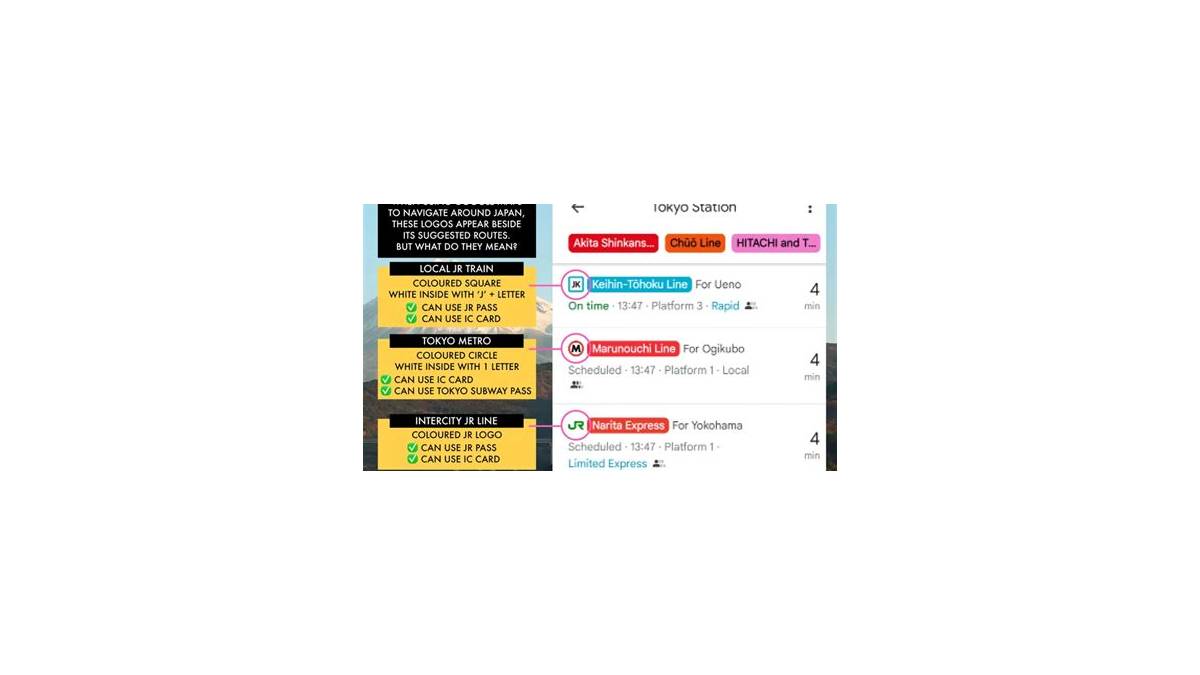
IC cards like Suica and PASMO cover trains, buses, and konbini. Physical Suica sales were paused during the chip shortage, but mobile Suica works through Apple Wallet. Welcome Suica, the tourist version, stays available at major stations.
Rules that catch travelers out:
- Carry your passport. It's a legal requirement.
- Check medication rules before you fly. Stimulants like Adderall are banned. Some drugs need an Import Confirmation form from Japan's Ministry of Health, Labour and Welfare.
- Register on Visit Japan Web before arrival. It speeds immigration and customs.
- Respect the Gion photo ban. Private alley photography draws a ¥10,000 penalty.
- Book Fuji climbs in advance. The Yoshida Trail now charges ¥4,000 per climber.
Tax-free shopping starts at ¥5,000 pre-tax per store. Keep receipts and pack goods in carry-on.
Budget Trip to Japan: FAQs
How much does a budget trip to Japan cost per day?
A shoestring traveler spends roughly ¥7,000 to ¥9,000 per day. That covers a hostel dorm, konbini meals, and local transit. Long-distance trains add more.
Off-peak dates and fewer city bases keep the total down.
Is the JR Pass worth it in 2026?
Only for long, multi-region routes. At ¥50,000 for seven days, a Tokyo to Kyoto round trip alone doesn't justify it. Add Osaka, Hiroshima, and a return leg, and it starts to pay off.
Otherwise, regional passes or point-to-point fares win.
What is the cheapest way to travel between Tokyo and Osaka?
Overnight highway buses cost ¥4,000 to ¥8,000 and save a hotel night. LCC flights like Peach and Jetstar can undercut the shinkansen on long routes. If you have time to spare, the bus is the cheapest option.
Do I need cash in Japan?
Yes, especially in rural areas and small restaurants. Carry ¥10,000 to ¥20,000 at a time. Withdraw from 7-Eleven or Japan Post ATMs, which accept foreign cards.
IC cards cover most urban transit and konbini.
When is the cheapest time to visit Japan?
January, February, June, and early December are the value windows. Avoid sakura season, Golden Week, Obon, and Kyoto's November foliage peak. Lodging can double during those periods.
The Decision Guide: Build Your Plan in Order
Work through these steps in order. Skipping one costs money later.
- Set a daily ceiling. Shoestring, mid-range, or comfort.
- Pick off-peak dates. Shift a week if you can.
- Count your cities. Two or three bases, no more.
- Draft the route, then run the pass math. Buy a pass only if it clears.
- Book accommodation early for peak dates, later for low season.
- Sort money access. Cash plan, IC card, card backup.
- Book airport transfer at the cheap end.
- Pre-book only what sells out. Ghibli Museum, Fuji climbs, popular ryokan.
- Build a daily routine. Lunch sets, 7pm supermarket markdowns, free attractions.
- Track spend mid-trip. Rebalance toward the back half.
Follow that order and the budget holds. Reverse it and you'll spend the trip patching holes in a plan you never built.

Similar Posts